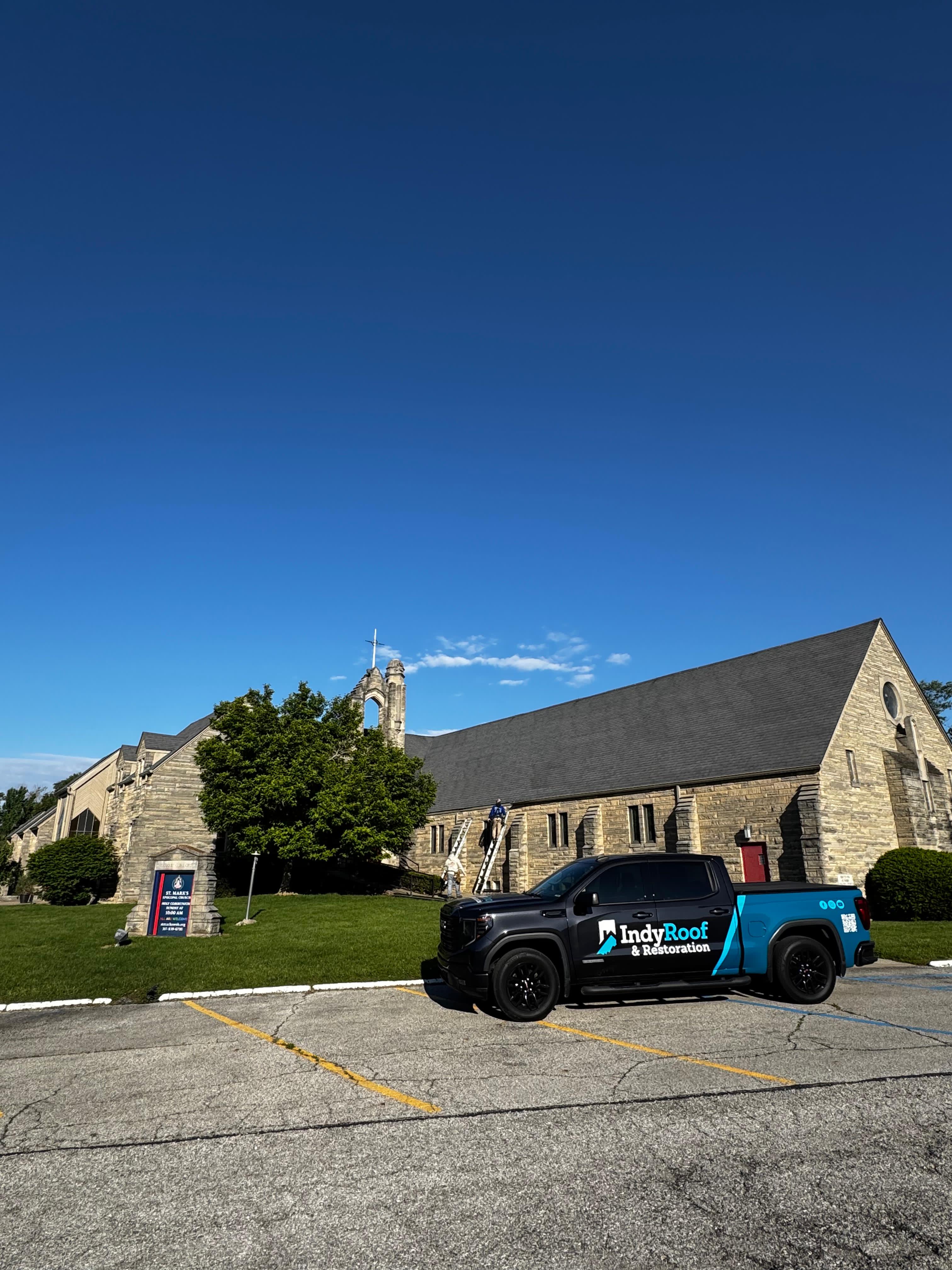
Choosing a Eagle Trace Roofer: The Short Version
Before you sign with any roofing contractor in Eagle Trace, run through this verification process. Skipping steps is where homeowners get hurt, and the whole thing adds only a few days to your timeline while protecting a decade plus investment.
- Verify licensing and insurance, both general liability and workers compensation, confirmed with the carrier directly.
- Confirm a real local presence with a physical address in Eagle Trace or Eagle Trace.
- Check manufacturer certifications in the manufacturer's own directory, not just on a flyer.
- Research reviews across platforms, Google, the BBB, Facebook, and Nextdoor.
- Request local references from recent projects and actually call them.
- Get a written, line item estimate so bids can be compared honestly.
- Review the warranty terms for both materials and workmanship.
- Verify claim experience if insurance is part of the project.
What to Verify and How
Anyone can claim credentials. The point is to confirm them independently, which on a Eagle Trace roofer takes well under an hour and rules out the operations that cannot back up their claims.
| Credential | How to Verify It |
|---|---|
| Insurance | Request the certificate from the carrier directly and call to confirm it is current |
| Business registration | Search your state's business registry through the Secretary of State office |
| Manufacturer certification | Use the manufacturer's contractor lookup tool to confirm current status |
| BBB standing | Search the company on the BBB site for rating and complaint history |
| Reviews | Cross reference Google, Facebook, and Nextdoor for patterns over time |
| References | Ask for recent local projects and call to ask about the experience |
Eagle Trace does not require state level licensing for all roofing contractors, which is exactly why this independent verification matters more here than in some states.
Warranties: The Two You Should Get
A proper roofing project carries two separate warranties, and you want both in writing before work begins.
- The manufacturer warranty covers the shingles themselves, typically for a long term, against material defects.
- The workmanship warranty covers the contractor's installation, and its length and terms vary widely from one company to the next.
Read the fine print on both. Ask what voids each one, whether the workmanship warranty transfers if you sell, and how a claim is actually filed. A vague answer about warranty coverage usually means terms that will not hold up when you need them.
Reading Reviews Across Platforms
Reviews tell a story over time, so read them for patterns rather than individual stars. Cross reference Google, the BBB, Facebook, and Nextdoor, which is specific to your Eagle Trace area. A company with a long history of reviews averaging high marks, with specific project details and owner responses to the occasional criticism, is in a different category from one with a handful of generic five star reviews. Watch for the tells of manufactured reviews: a burst posted on the same few dates, vague praise with no specifics, similar wording across entries, and reviewers with little account history. Healthy review profiles look natural, mostly positive with the occasional constructive note, varied in voice, and posted steadily over months and years rather than all at once right after a storm.
Verifying Insurance the Right Way
Insurance is the one credential to never take on faith, because it protects you from real liability if a worker is hurt or your property is damaged during the job. Request the certificate of insurance from the carrier directly, with you listed as the certificate holder, then call the carrier using the number on the certificate to confirm the policy is active and the coverage amounts are current. Ask to be notified if the policy is cancelled during your project. That short call is what separates genuine coverage from a forged or expired certificate, and a Eagle Trace contractor who resists letting you verify insurance is showing you a problem before any work begins.
Why Manufacturer Certifications Matter
Shingle manufacturers certify contractors who complete training and meet quality standards, and certification can unlock extended warranties that other contractors cannot offer. The practical value to you is twofold: it signals the crew was trained to install the product correctly, and it can mean stronger warranty coverage on the finished roof. The catch is that the certification has to be real, so confirm it in the manufacturer's own contractor directory rather than trusting a logo on a flyer. A cert that does not appear in the directory does not exist, and one that lapsed years ago tells you the contractor stopped maintaining the standard. When you compare Eagle Trace contractors, treat a verifiable, current certification as a point in their favor and an unverifiable claim as a reason for caution.
Red Flags at a Glance
Some signals are serious enough to end a conversation on their own. If a Eagle Trace contractor shows several of these together, walk away regardless of the pricing.
- Door to door selling after a storm, with pressure to sign immediately
- A discount that is only good today, or a crew that can start tomorrow
- A demand for a large up front deposit, or cash only
- An offer to cover or waive your insurance deductible, which is illegal in Eagle Trace
- No written quote, or vague pricing with no line items
- Credentials that cannot be verified, or out of state plates with no local address
If you want a starting point for honest comparison, our free roof inspection comes with written, documented findings you can hold any bid up against.
The Questions That Reveal Quality
A short list of questions, asked early, separates real contractors from sales operations. Ask each Eagle Trace contractor you are considering the ones below, and listen as much to how they answer as to what they say.
- How long have you operated locally, and is there an office I can visit?
- Can I see your current certificate of insurance, and may I verify it with the carrier?
- What manufacturer certifications do you hold, and where can I confirm them?
- Can you provide three to five recent local references I can call?
- Exactly what does your written quote include, line by line?
- What does your workmanship warranty cover, and does it transfer if I sell?
- How do you handle unexpected issues like rotted decking?
- What is your payment schedule, and how do you manage weather delays?
Quality contractors answer all of these readily and in plain language. Evasion, irritation, or vague answers are themselves the answer.
Deposit and Payment Norms
Payment terms are one of the clearest signals of a contractor's stability. On a Eagle Trace roof, a reasonable structure looks like this, and anything well outside it is worth questioning.
- A modest deposit at signing, commonly in the range of ten to twenty five percent, to cover materials.
- An optional progress payment after tear off on larger jobs.
- The balance due after the final walkthrough, once you have approved the work.
Demands for half or more up front, full payment before materials arrive, or cash only are warning signs. A contractor with established supplier credit does not need a large deposit from you.
Checking Local Presence
A real local presence is straightforward to confirm. Drive past the address the contractor lists and make sure it is an actual office rather than a residence, a mail drop, or a space rented for the storm season. Check the trucks for in state plates rather than out of state ones. A local area code suggests local roots, while an 800 number or an out of state code points to a call center or a remote operation. And search the business on your state's Secretary of State website to confirm it is registered in your state with local principals rather than registered out of state or only recently formed. Each of these is a quick check, and together they tell you whether the company is rooted in Eagle Trace or just passing through.