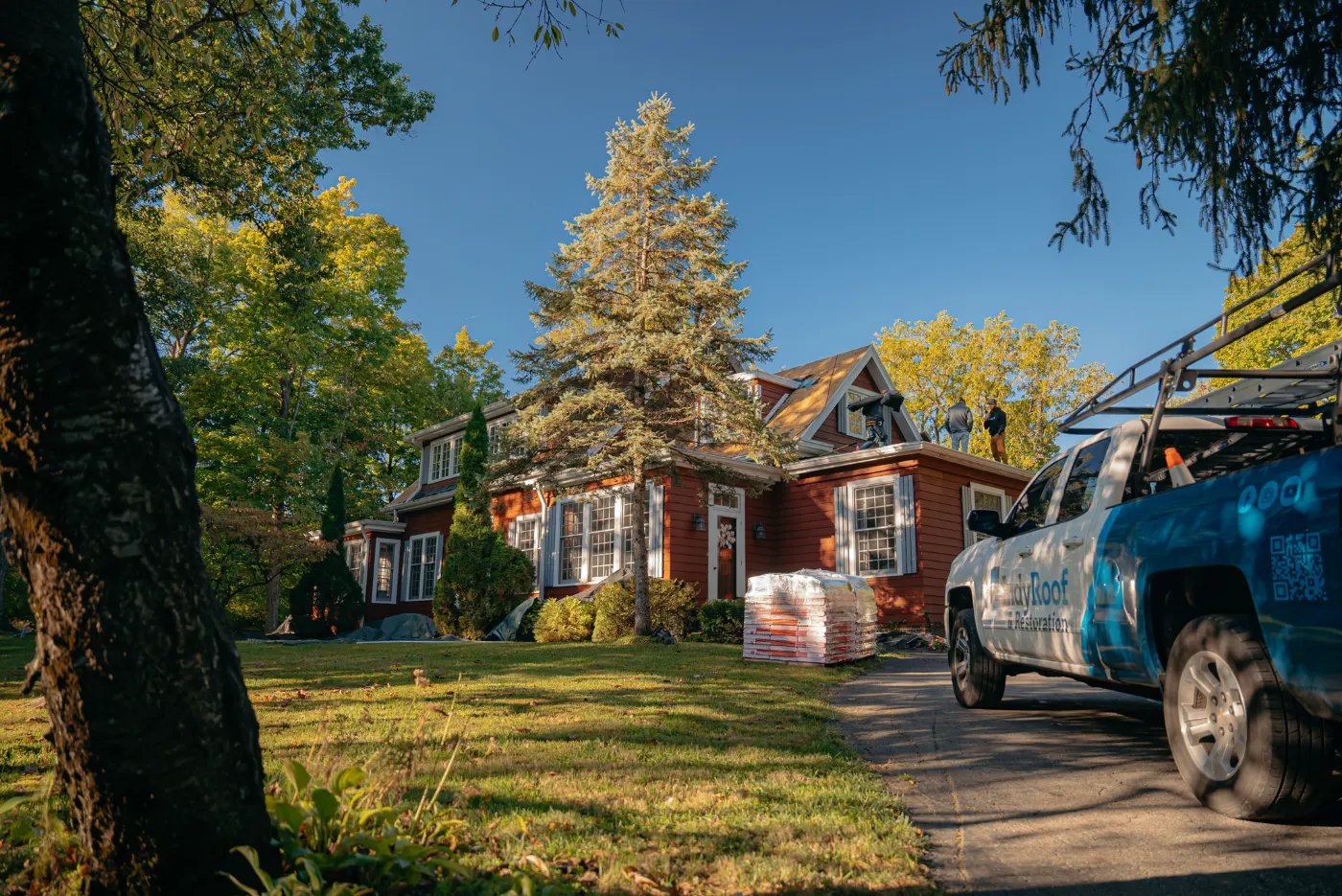
Your Roof Replacement in Eagle Trace Starts With a Free Inspection
Eagle Trace Roofing provides roof inspections, repairs, and replacements for homeowners in Eagle Trace, Greenwood. Licensed and insured in Indiana, we offer free inspections and written estimates so you know exactly what your roof needs before any work starts.
If we're busy helping someone else and miss your call, we'll call you back within 15 minutes.



Storm damage in Eagle Trace? Eagle Trace Roofing inspects, documents panel by panel, and meets your adjuster on the roof speaking their language. Call (765) 978-3528.
- Services: roof inspections, roof repair, emergency roof repair, roof replacement
- Service area: Eagle Trace, Marion, IN and surrounding areas
- Response: Eagle Trace homeowners reach a person, and active leaks get same priority dispatch
- Licensed and insured (License #RC21100059)
- Serving Eagle Trace, IN since 2018
Schedule Your Free Roof Inspection
A roof inspection on an Eagle Trace home is a full walkthrough of the system, not a quick glance from the driveway. We check shingle condition for granule loss, cracking, curling, and hail bruising, and we look closely at flashing around chimneys, valleys, skylights, and pipe boots where leaks usually start. We check ridge caps, drip edge, and the eaves where ice dams tend to form. Every finding gets photographed and documented, so you see what we see. Given the age of many roofs in Eagle Trace, catching a lifted shingle or a failing flashing detail early is the difference between a small repair and a much larger bill later.
I agree to be contacted by Eagle Trace Roofing regarding my inquiry.
Hail damage on an Eagle Trace roof is mostly invisible from the ground. The bruises that matter are soft spots in the shingle mat where granules crushed into the asphalt, and they read as nothing from a driveway and as scattered dark circles from the ridge. Marion homeowners routinely skip the inspection because the roof looks fine, and the mat quietly ages a decade in the next two summers.
Eagle Trace Roofing keeps small repairs welcome across Eagle Trace, because a company that only answers for replacements is a company waiting for your roof to fail. The cracked boot, the wind lifted tab, the nail pop scatter: real crews, real invoices, sized to the work. Marion homeowners who get honest small repairs come back for the big one, and the business model is exactly that patient.
Attic cooking your shingles from underneath? Eagle Trace Roofing runs ventilation only consults across Eagle Trace: intake measured against exhaust, painted shut soffits flagged, baffles and ridge vents scoped where the math says so. Call (765) 978-3528. Half the aging roofs in Marion have an airflow problem no estimate ever mentioned, and fixing it buys years.
Payment Options That Work for You
A major roof project is rarely a planned expense. Our lender partners offer terms that fit a range of budgets so you can move forward while insurance settles. Ask Eagle Trace Roofing for current rates.
Pay for your project at a later time, but lock in today's pricing. Ideal for homeowners waiting on insurance settlements.
- No payments for 12 months
- No interest if paid in full
- Lock in current pricing today
Divide your project cost equally across 12 months with zero interest. Most homeowners choose this option for predictable budgeting.
- Equal monthly payments
- 0% interest for 12 months
- Simple, predictable budgeting
Spread your investment over up to 20 years with fixed equal payments. The right choice for larger projects or homeowners who prefer lower monthly amounts.
- Up to 20-year terms available
- Fixed equal payments
- Ideal for larger projects
Financing provided by Slice, Foundation Finance, Regions. Subject to credit approval. Rates, terms, and promotional periods are set by the lender and disclosed in writing before you sign.
Inspection, Repair, and Replacement
Inspections, repairs, replacements: Eagle Trace Roofing covers all of it with manufacturer-certified crews and paperwork that spells out what was done.
Roof Inspections in Eagle Trace
Full on roof inspections for Eagle Trace homes covering shingles, flashing, valleys, penetrations, and eaves, with photo documentation of what we find. You get a clear written picture of your roof's condition before any work is discussed.
Learn moreRoof Repair in Eagle Trace
Targeted roof repair for Eagle Trace homes, including replacing damaged or missing shingles, resealing flashing, addressing failed pipe boots, and fixing storm related damage that does not require a full replacement.
Learn moreEmergency Roof Repair in Eagle Trace
Emergency roof repair for Eagle Trace homeowners dealing with active leaks, storm damage, or exposed decking. We prioritize getting the roof stabilized and weather tight so the damage does not spread while a permanent repair is scheduled.
Learn moreRoof Replacement in Eagle Trace
Complete roof replacement for Eagle Trace homes, including tear off of the old system, deck inspection, underlayment, new shingles or panels, flashing, and ridge details, installed to manufacturer specifications with a final walkthrough.
Learn moreDesigner Roofing in Eagle Trace
Designer roofing options for Eagle Trace homeowners who want a distinctive look, including premium shingle profiles and colors that fit the custom architecture common in the neighborhood and meet Architectural Control Committee requirements.
Learn more
Local Expertise, Real Results
If the deck is soft, you see the photo before the plywood goes down.
Insurance claims are where good documentation pays. Eagle Trace Roofing builds the file your carrier needs: date-stamped photos, slope-by-slope mapping, and scopes in adjuster language, then meets the adjuster on the roof.
Eagle Trace Roofing serves Eagle Trace and the wider Center Grove corridor of Johnson County, including Bargersville, New Whiteland, Whiteland, Franklin, Beech Grove, and Camby. Founded in 2018 by Aaron Christy, who has been featured on FOX59, WISH TV, and RTV6, the company has spent years doing roofing work across central Indiana. Our crews are local, licensed and insured in Indiana under RC21100059, and familiar with the custom homes throughout Eagle Trace. We know the streets, the pitches, and the way weather moves through Johnson County, and we show up ready to work.
The way we work in Eagle Trace is straightforward. Every project starts with a thorough on roof inspection, photos of what we find, and a written estimate that spells out the scope in plain language. If your roof needs a repair, we say so. If it needs replacement, we explain why and show you the evidence. Our crews follow the plan on paper, keep the jobsite tidy, and finish the roof the way it was scoped, without surprise change orders showing up at the end.
Our Promise
Our promise to Eagle Trace homeowners is simple. You get a free on site roof inspection before we ever quote a dollar, an honest written estimate with no mystery line items buried at the bottom, and clean workmanship backed by a workmanship warranty in addition to the manufacturer coverage on the shingles themselves. If something is not right, we come back and make it right. That is the standard, and it does not change based on the size of the job.
Serious About Eagle Trace Roofing
Transparent pricing, careful inspections, and materials that last, for homeowners in Eagle Trace and Marion.
Storm And Hail Response
When hail or high wind moves through Greenwood, we prioritize storm calls in Eagle Trace and get out to look as quickly as scheduling allows. We check for bruised shingles, torn tabs, and displaced flashing that homeowners cannot see from the ground. You get photos, notes, and a clear read on whether it is a repair or a claim conversation.
Local Roofing Experience
We have worked on the kind of homes that make up Eagle Trace, medium to steep pitches with multiple planes, dormers, hips, and valleys. That complexity changes how a roof is inspected and how it is replaced. Our crews plan the sequence around the actual roof, not a one size template, so the details get done right.
Full-Scope Roofing
From the first inspection to the final walkthrough, one team handles the whole job. Inspection, written estimate, material selection, tear off, installation, and cleanup all run through the same crew and project lead. You are not chasing three different contractors to finish one roof.
Insurance Documentation Done Right
If your roof took storm damage, documentation is what moves a claim forward. We photograph damage, note test squares, and put the findings in writing so you can hand your insurance carrier a clear picture. works with your insurance carrier, but we make sure your file is not the weak link.
Real Jobs. Real Results.
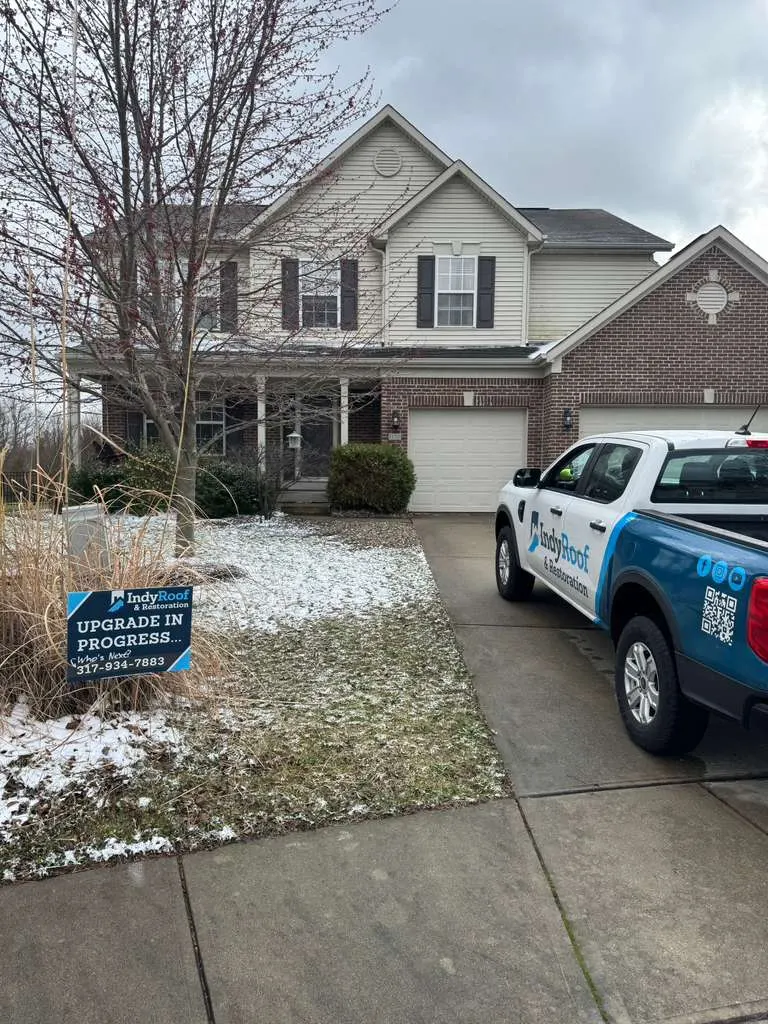
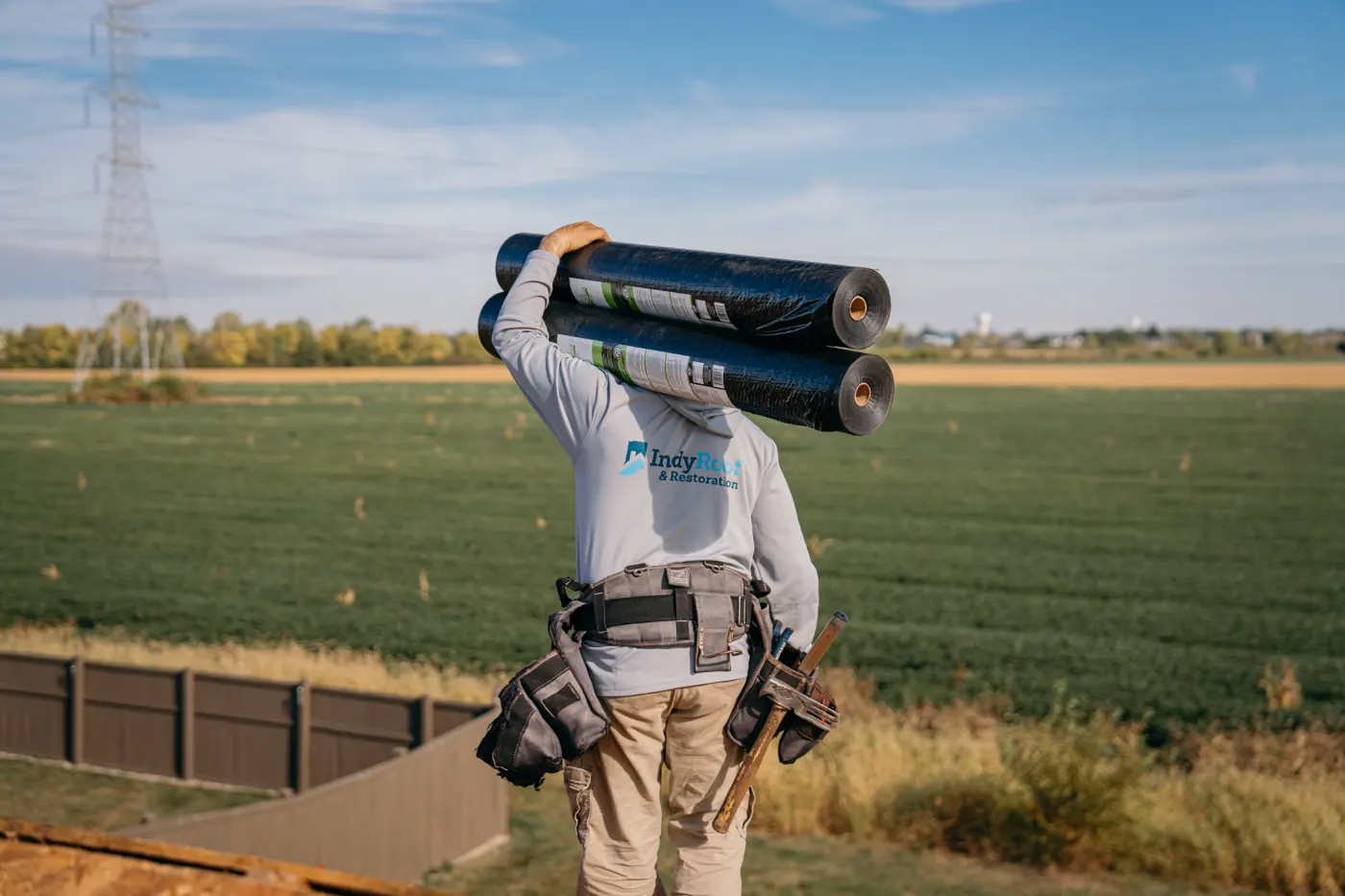
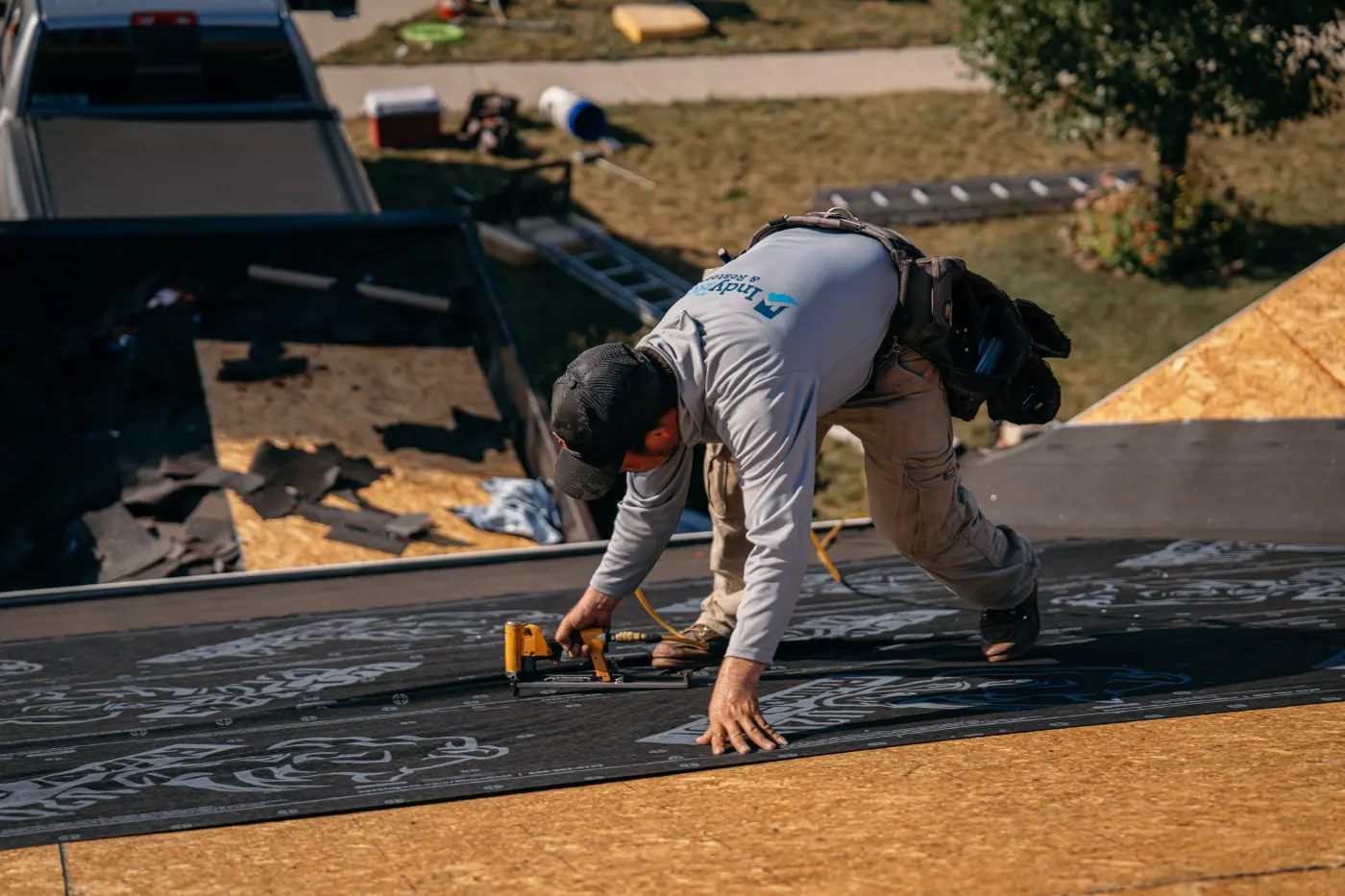
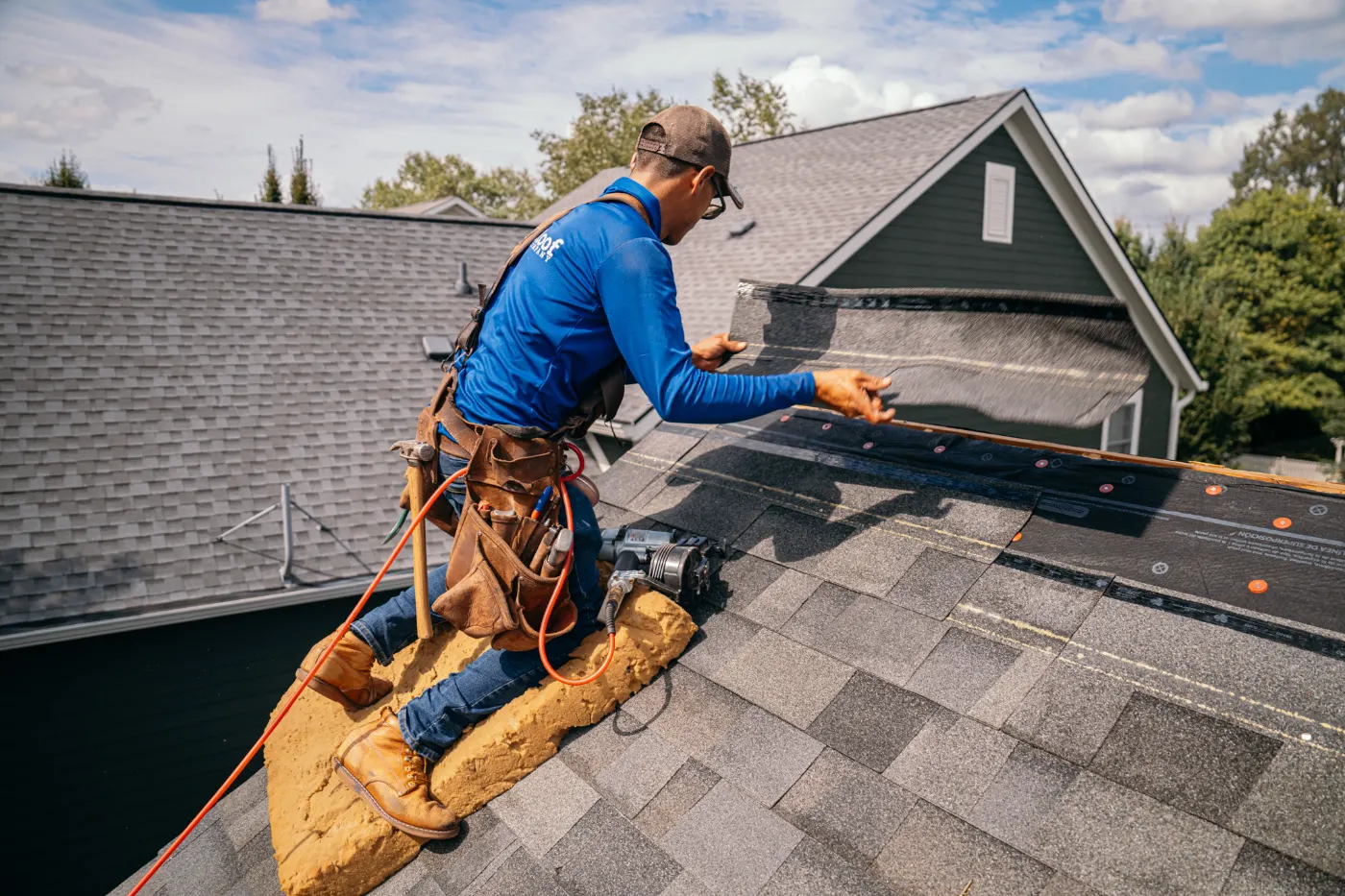
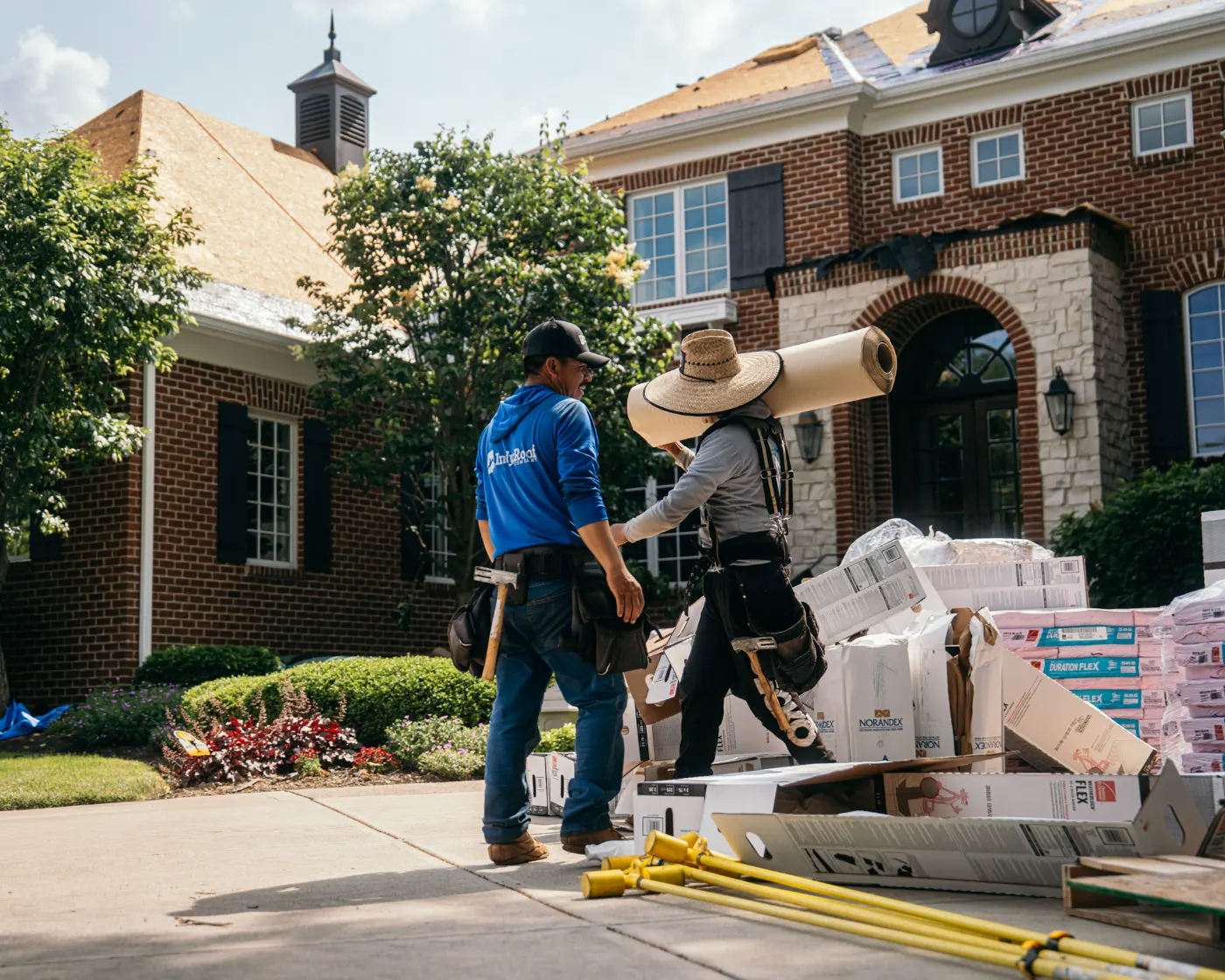
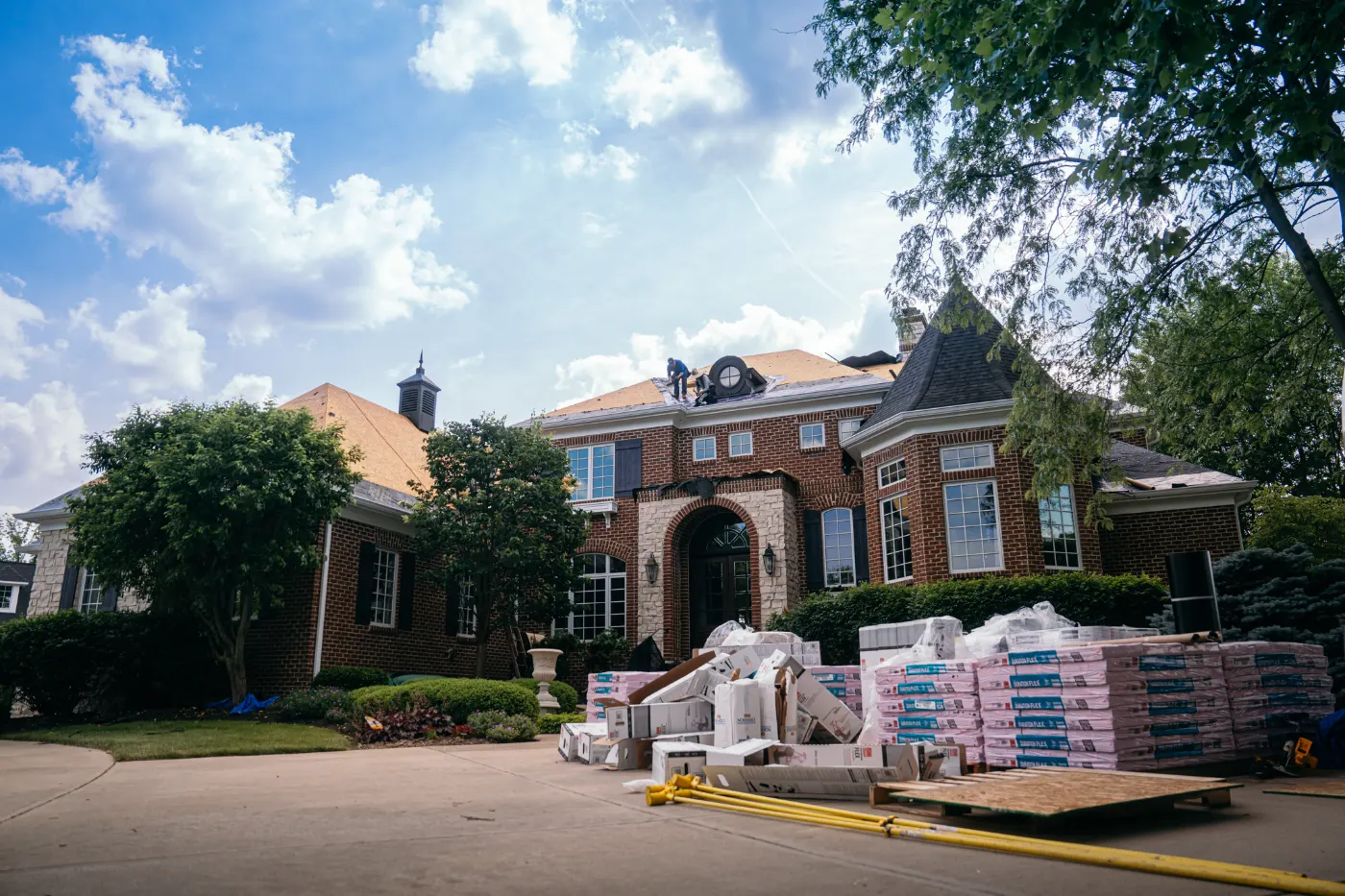
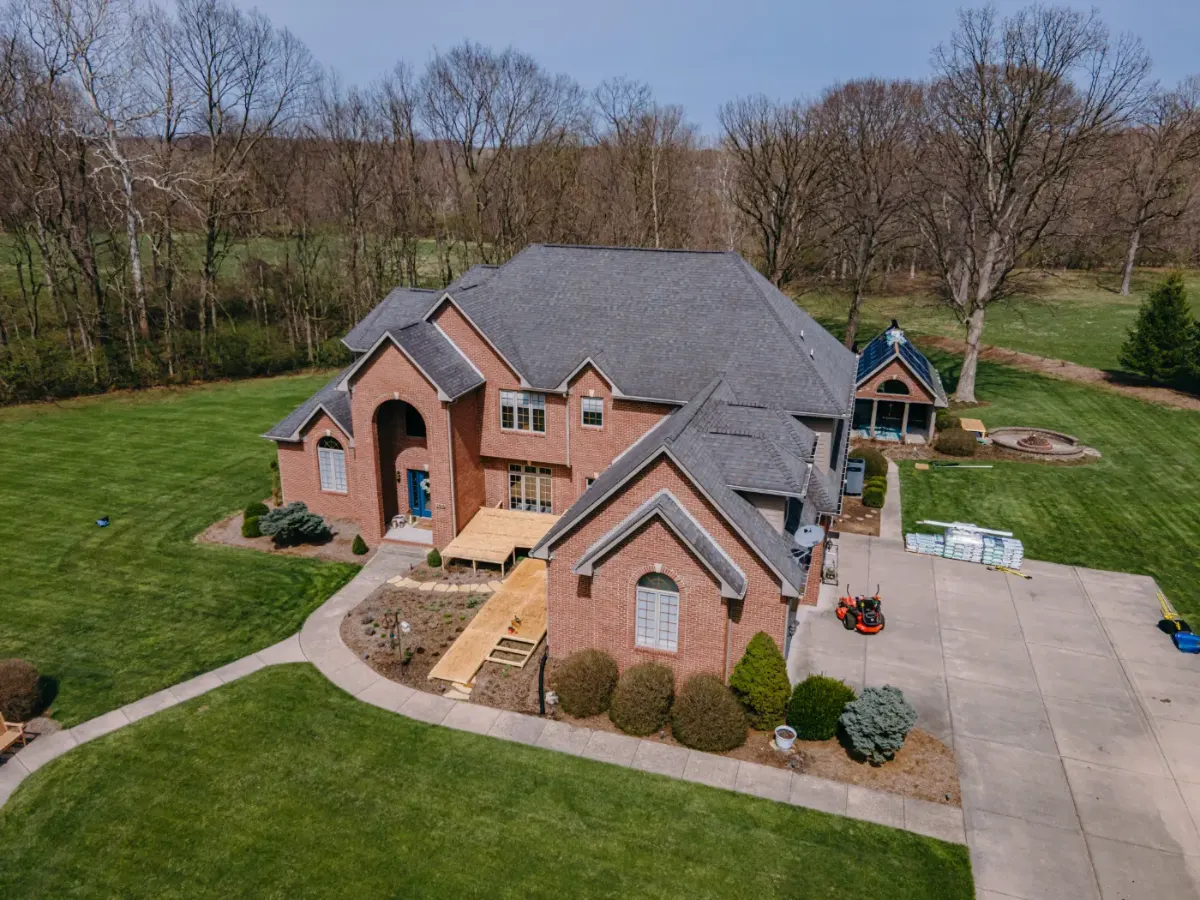
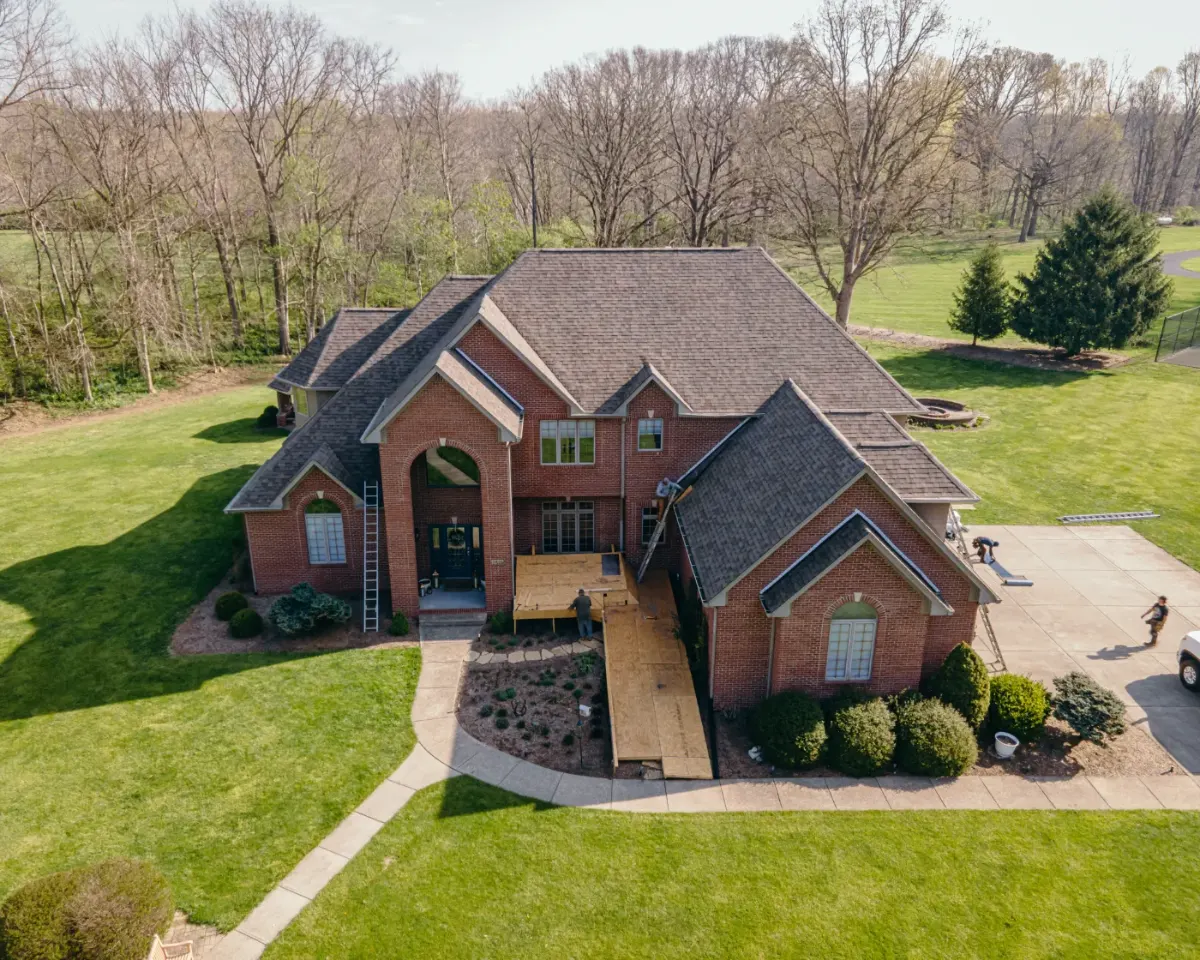
Photos from recent roofing projects completed by our manufacturer-certified crew across Eagle Trace and Marion. Every project is documented with photos and a written closeout package.
Your Eagle Trace Roof, Start to Finish
The first step in Eagle Trace is the inspection. We walk the roof, check the shingles, flashing, valleys, penetrations, and eaves, and photograph anything that matters. If we see storm damage, age related wear, or a spot that has been patched poorly in the past, it goes in the report. Before we write a single number down, you get a clear picture of what your roof actually needs, and the scope of work is spelled out plainly so there are no assumptions carried into the estimate.
Next comes the written estimate. For Eagle Trace homeowners paying out of pocket, the estimate lays out materials, labor, and scope with honest pricing. For storm damage situations, we take the documentation from the inspection and put it in a format that helps you file with your insurance carrier. We can meet the adjuster on the roof and walk them through what we found. works with your insurance carrier, and we never speak for them on coverage, that is between you and your policy.
Then the work gets scheduled and done. We coordinate the start date with you, protect landscaping and siding around the Eagle Trace home, tear off the old roof, dry in the deck, and install the new system per manufacturer specs. Crews keep the jobsite tidy each day, and a magnet sweep of the yard and driveway catches stray nails at the end. Before we call it finished, we do a final walkthrough with you so you can see the completed roof and sign off on the work.
Free Inspection With Photos
Every project in Eagle Trace starts with a free on roof inspection. We document shingle condition, flashing, and problem spots with photos, so the conversation is based on what is actually up there, not guesswork from the driveway.
Honest Written Estimate
You get the scope, materials, and pricing in writing before any work is scheduled. Line items are explained in plain language. If something is optional versus necessary, we tell you which is which so you can make the call with real information.
Insurance Documentation
For storm damage roofs, we document the damage properly and provide the photos and notes you need to file with your insurance carrier. We can meet your adjuster on the roof, works with your insurance carrier and we do not speak for your policy.
Clean Work, Final Walkthrough
Crews protect the property, keep the site tidy through the job, and run a magnet sweep for nails at the end. Before we consider the roof finished, we walk it with you so you see the completed work and confirm everything meets the scope.
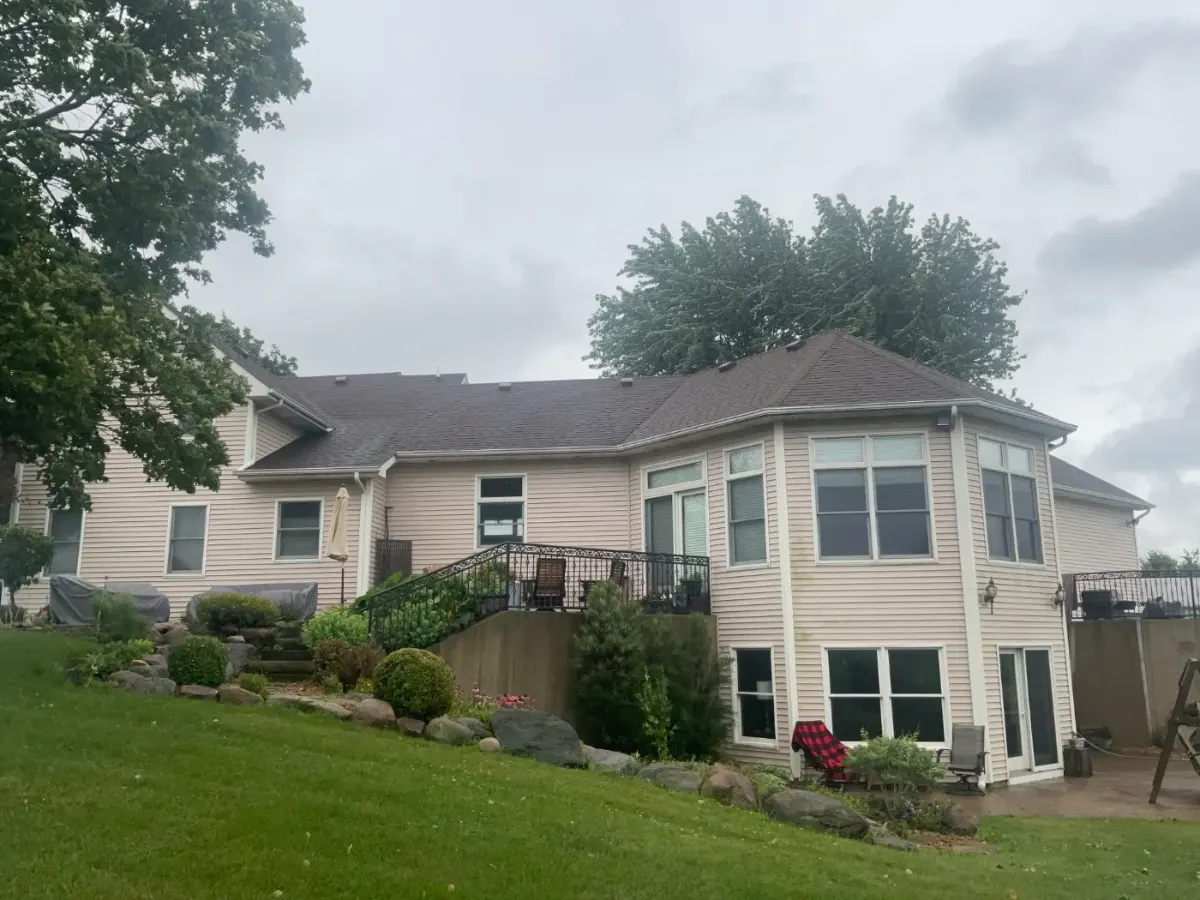
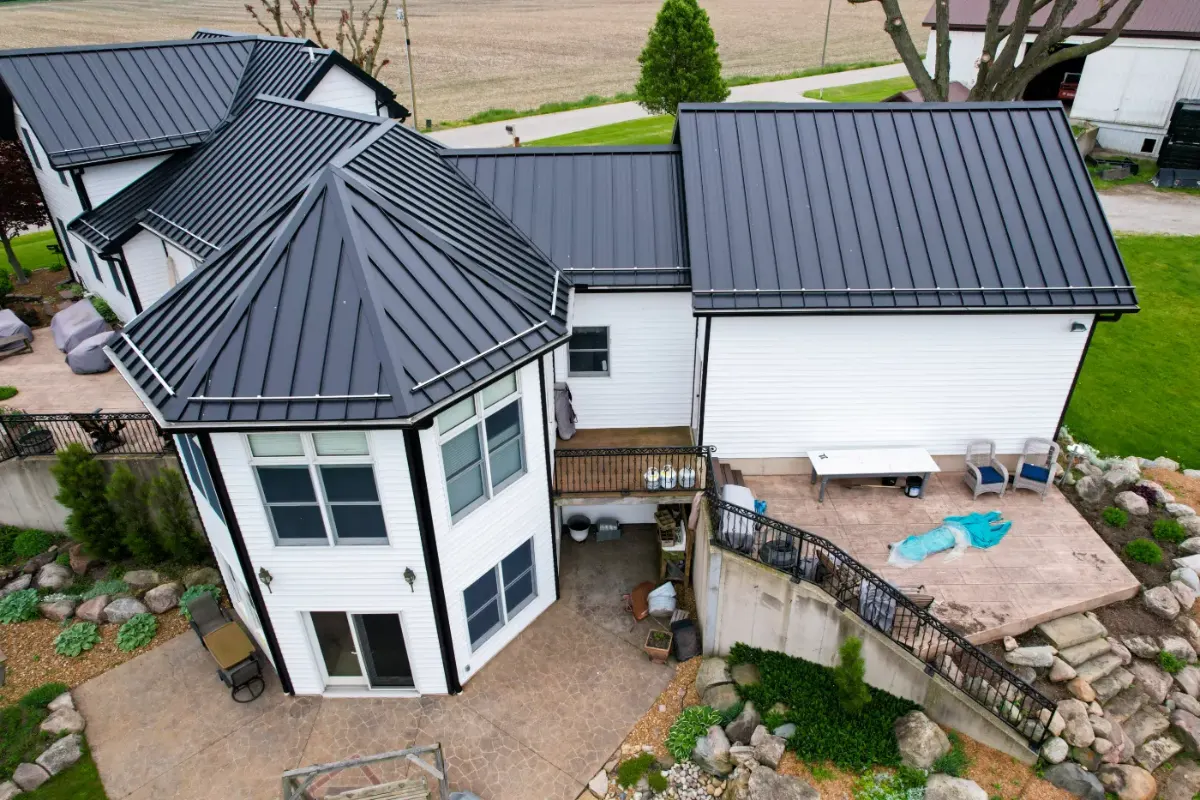
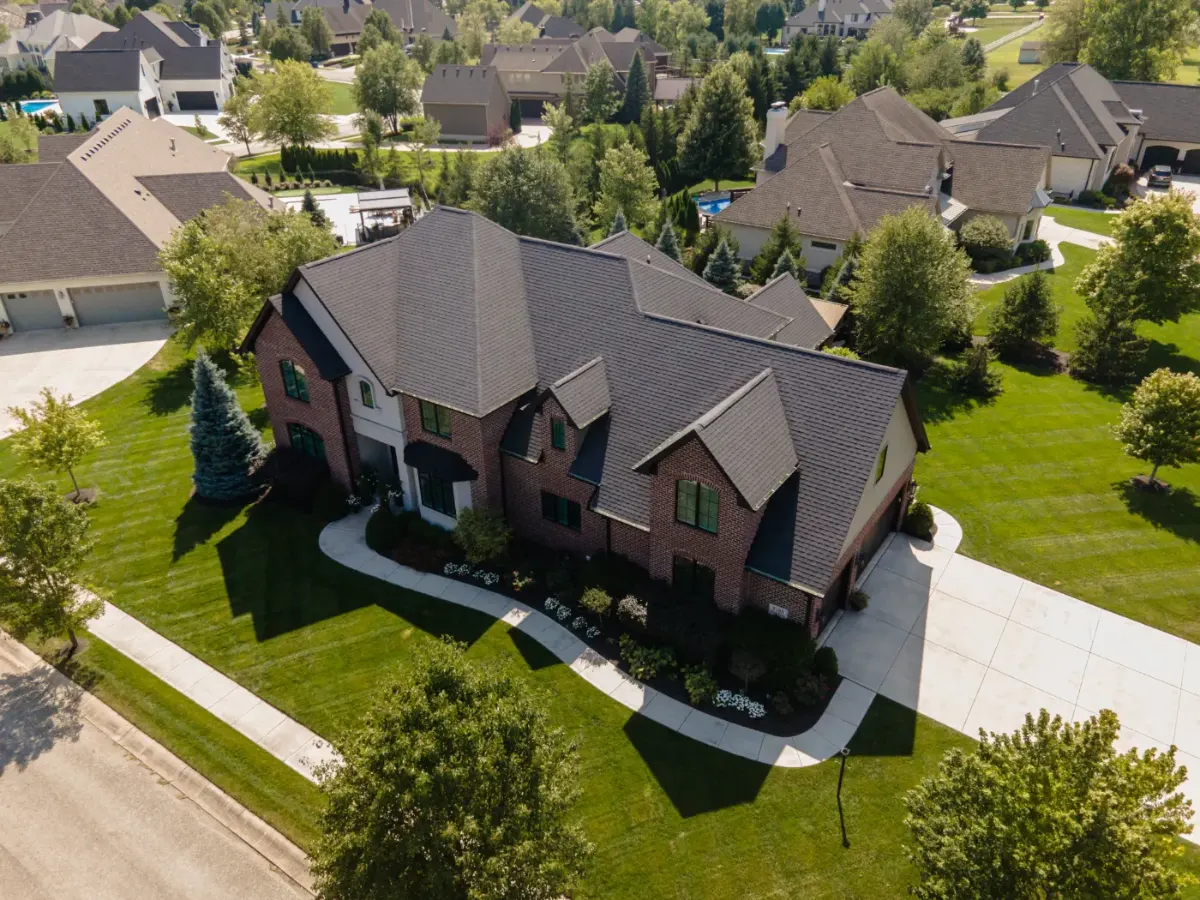
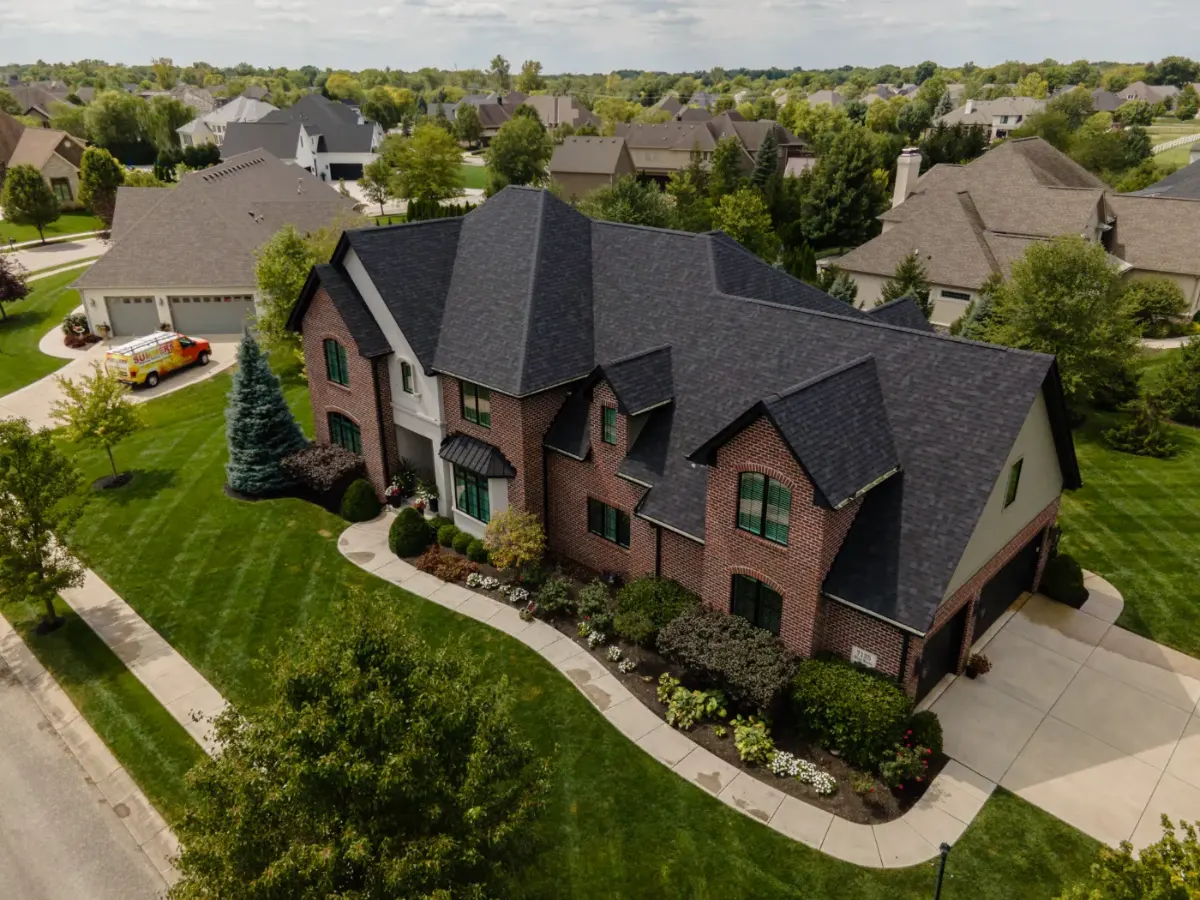
Recent Eagle Trace roofing projects
Before-and-after documentation from real Eagle Trace projects. Same photo angles before and after the work.
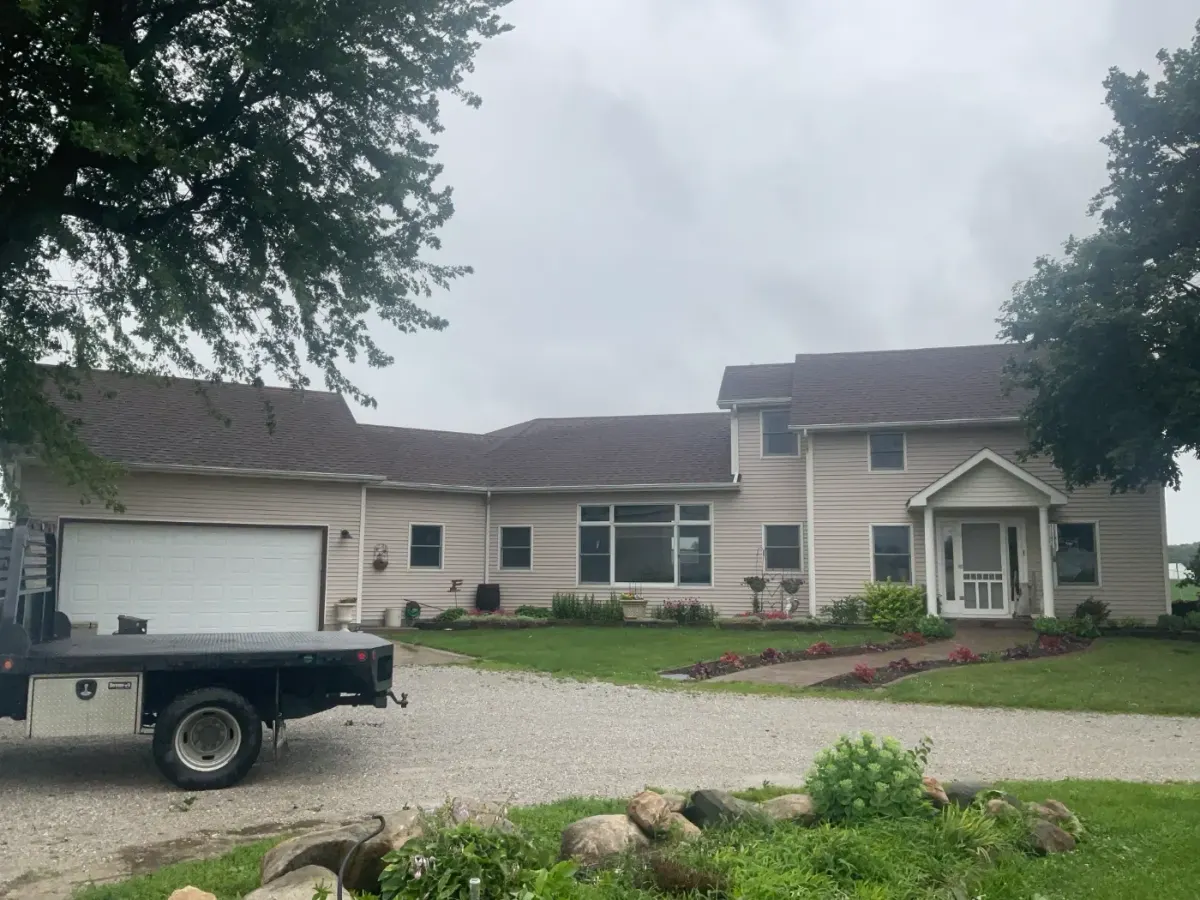
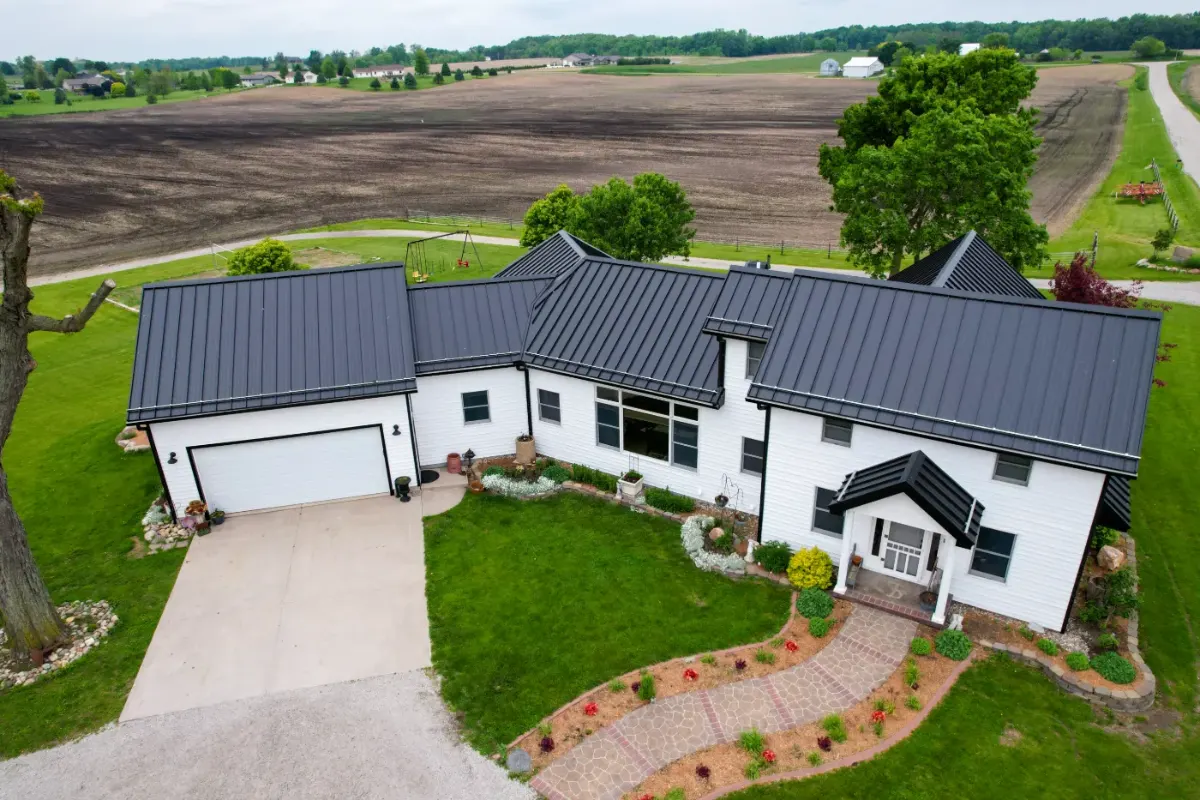
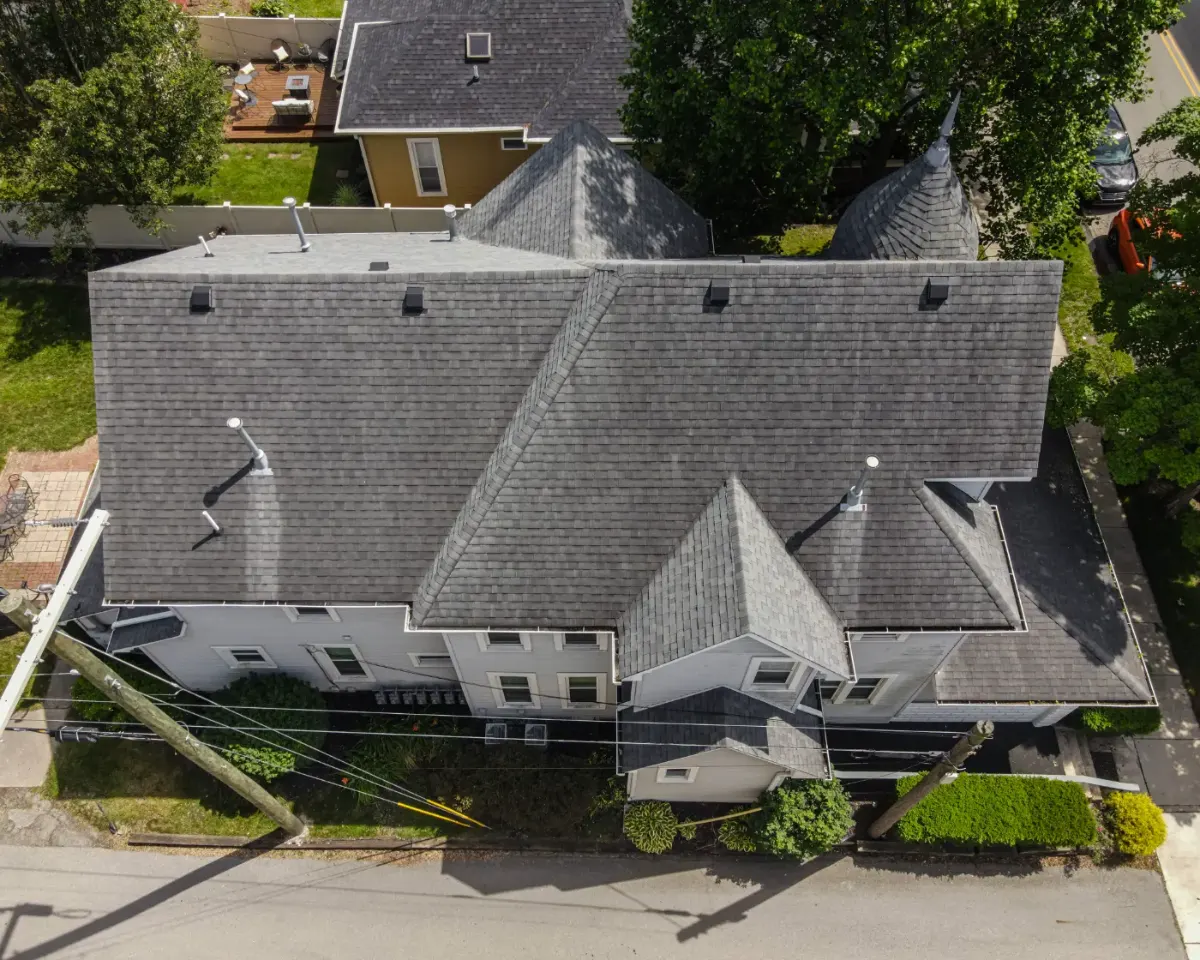
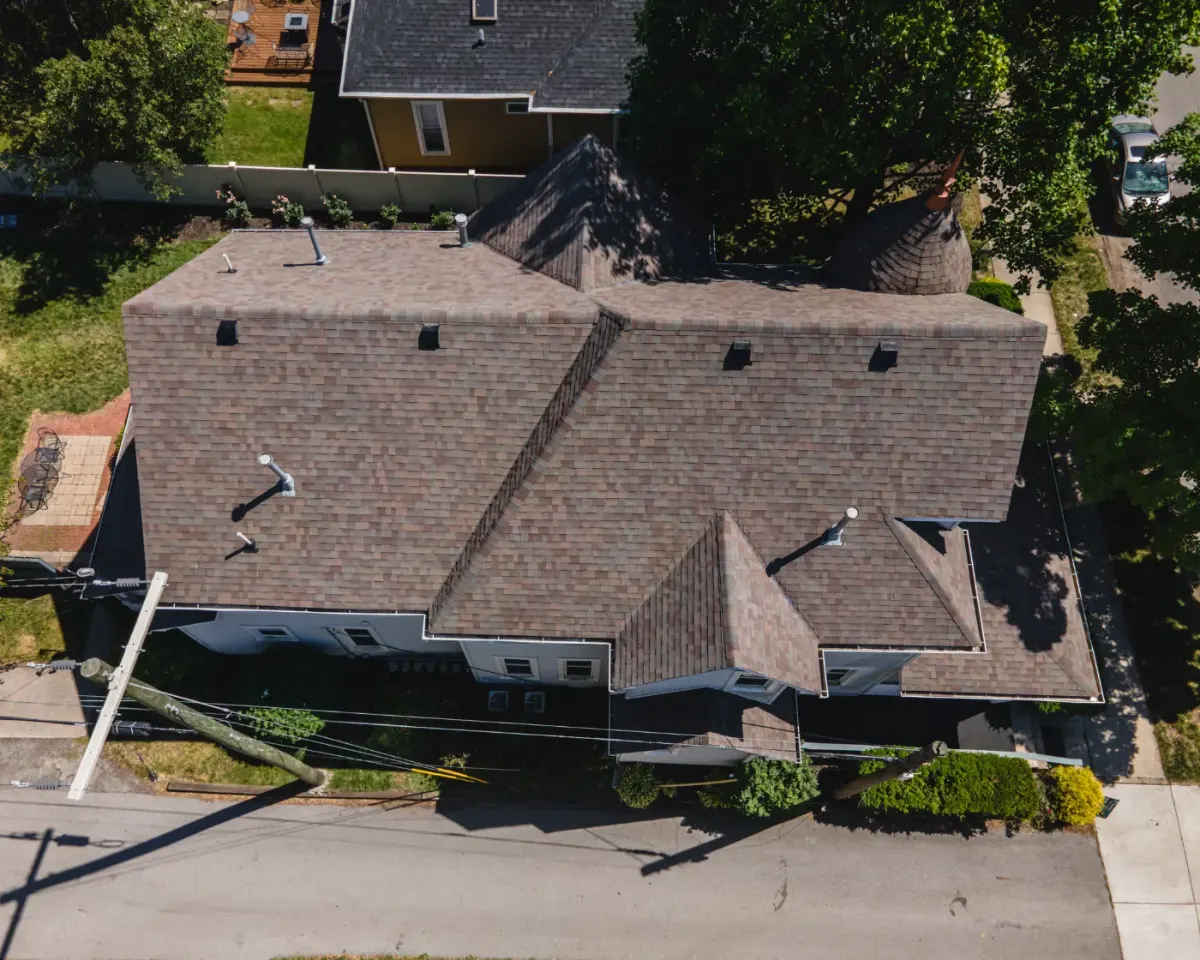
What we see most often on Eagle Trace roofs
Eagle Trace homeowners typically call us about these scenarios.
Nail Pops Showing Through the Shingles
Decking expands and contracts through Eagle Trace temperature swings until fasteners back out and tent the shingle above them. Each pop is a pinhole today and a stained ceiling in two years. Eagle Trace Roofing resets the fasteners, reseals or replaces by condition, and photographs the pattern so next year has a baseline to compare against.
Squirrels and Raccoons at the Roof Edge
Scratching overhead in an Eagle Trace attic usually starts with wood that was already soft. Squirrels and raccoons work a rotted rake board or the gap under a lifted shingle edge, and once the opening is chewed to size they come back to it every year. Eagle Trace Roofing replaces the board and rebuilds the edge detail, because stapling wire over soft wood buys you one season.
Missing or Lifted Shingles
A few missing tabs after an Eagle Trace wind event usually mean the surrounding shingles broke their seal too, including the ones still lying flat. Spot replacing only what blew off leaves the slope open to the next front. Eagle Trace Roofing checks seal integrity across the whole area and quotes the repair that actually holds through the next season.
Ice Dams Backing Water Under Shingles
When an Eagle Trace attic runs warm, snow melts, refreezes at the cold eave, and dams water back under the shingles where it finds nail holes and seams. The shingles are usually fine; the ventilation and insulation are not. Eagle Trace Roofing addresses the cause with ventilation correction and ice and water shield coverage, not just the ceiling stain.
Attic That Runs Hot in Summer
An attic well above outdoor temperature is cooking the shingles from underneath and shortening the roof from the side nobody inspects. Intake and exhaust have to be balanced, not just present. Eagle Trace Roofing measures both, calculates what the attic actually needs, and explains why the shingle warranty depends on it.
Ice and Water Shield That Stops Too Short
Where an ice barrier goes on it runs from the eave to at least 24 inches inside the exterior wall line, and plenty of older Eagle Trace roofs got a strip at the edge and nothing more. The result shows up as a winter leak that disappears every spring. Eagle Trace Roofing checks coverage during tear off and brings it to what the shingle manufacturer's instructions call for rather than matching what was there.
Three Simple Steps
From free inspection to project completion, we follow a disciplined process on every Eagle Trace roofing project.
Free Inspection
The roof gets reviewed, conditions get photographed, and the findings come back to you in plain, practical language. You pick the time the inspection happens.
Transparent Estimate
The outline is written down: what work we recommend and the benefit each item brings to your property. There's no pressure, and we take the time to walk through options comfortably.
Quality Installation
You get crews that work carefully, stick to a consistent schedule, and respect your property, plus manufacturer warranty registration done in your name.
Eagle Trace on the Pre Listing Report
4.9 stars across 2,307+ Google reviews.
"Respect for the property. Clean install. The crew managed landscaping protection carefully and left no debris behind. Cleanup was thorough."
"Designer shingle install: Owens Corning Berkshire in a slate-look profile. The crew was meticulous about shadow alignment and the finished roof completely changed the look of the home. Manufacturer warranty in our name with all documentation delivered."
"Hail damage replacement after the spring storm. They worked directly with our insurance carrier, documented the damage thoroughly, and made the claim process simple. Replacement completed within three weeks of the storm."
"After two other contractors gave different diagnoses on the same leak, this crew traced it back to the actual source (ridge vent flashing, not the visible water stain area). Fixed it correctly the first time."
"Honest assessment. Fair pricing. Quality work. Recommended without reservation. They will be the team I call for the next roof."
Eagle Trace Roofing Questions
Straight answers to the questions Eagle Trace homeowners ask most.
Indiana Weather Affects Roofs Year Round
Eagle Trace homeowners know the pattern: spring hail with severe thunderstorms, a summer of UV exposure, wind storms every fall, freeze thaw cycles all winter. Indiana weather swings as widely as anywhere in the country, and reading those swings is what lets us plan maintenance, repairs, and replacement work properly.
Hail Bruising Shingles
Greenwood has logged dozens of hail reports in recent years, and Eagle Trace sits right in the impact zone. Hail bruises the mat and cracks the surface of asphalt shingles, sometimes without obvious signs from the ground. When we get called after a hailstorm, we run test squares, document the strikes, and give you a clear read on whether you are looking at repair or replacement.
Wind Lifting Shingles
Straight line winds along the I-65 corridor regularly lift and tear shingles, especially on the older architectural roofs that make up much of Eagle Trace. Once the seal strip breaks, water finds a way in on the next rain. We check tabs, ridge caps, and edges for lift damage, reseal where possible, and replace what has torn free.
Ice Dams At Eaves
Johnson County winters swing between thaw and freeze, and that cycle builds ice dams at the eaves. Water backs up behind the ice, works under the shingles, and shows up as staining on interior ceilings weeks later. We inspect the eave and valley details, check underlayment coverage, and address the flashing and ventilation issues that let ice dams form in the first place.
Granule Loss On Aging Roofs
Many roofs across Eagle Trace were installed in the subdivision's original build out and are now well into their third decade. Mature tree cover accelerates granule loss, moss growth, and shingle brittleness beyond normal UV wear. When granules pile up in the gutters, the shingles above are running out of life, and we inspect the whole system to tell you honestly how much time is left.
Choosing the Right Roof for Eagle Trace Homes
An honest breakdown of the three systems we install most frequently.
Architectural asphalt shingles are the most common roof in Eagle Trace, and for good reason. They balance cost, curb appeal, and dependable weather performance, and they come in a color range wide enough to satisfy most Architectural Control Committee requirements without special order delays. Manufacturer warranties on quality architectural shingles are strong, often covering decades against manufacturing defects, and installed correctly they hold up well against central Indiana wind and rain. They are heavier and more dimensional than old 3-tab shingles, which improves both appearance and wind performance. For most Eagle Trace homeowners, architectural asphalt is the practical, proven choice.
Impact resistant Class 4 shingles are built specifically to take hail that would bruise or crack standard asphalt. Given Greenwood's spring storm season and how often hail is detected on radar near Eagle Trace, this is a real consideration. Class 4 shingles use a tougher mat and modified asphalt, which typically extends granule life and reduces the odds of a full replacement after a hailstorm. Before you decide, ask your insurance carrier whether your policy offers a premium credit for Class 4, since some do and some do not. The upfront cost is higher than standard architectural, but for hail prone properties in Eagle Trace it often pencils out over time.
Standing seam metal roofing has the longest service life of the three options, often measured in decades rather than years. The panels use concealed fasteners, which removes the exposed screws that eventually leak on older metal systems, and the slick surface sheds snow and ice cleanly, which helps with the ice dam issues Johnson County winters bring. Upkeep is minimal once the system is installed correctly. The tradeoff is honest, standing seam costs more upfront than asphalt, sometimes significantly. What you are buying is decades of low maintenance and a roof that will likely outlast the next owner of your Eagle Trace home.
Every Kind of Roofing Job in Eagle Trace
Roof Inspections
Late winter is a quiet time to have a roof looked at in Eagle Trace, and it is usually the smartest one. Freeze and thaw work at the edges all season, lifting shingles and opening gaps around flashing that nobody notices until the first warm rain. Getting ahead of that keeps small fixes small.
Spring is busy for every roofer, so scheduling early tends to mean a faster visit and a calmer conversation. Wait until the storm calls start and you are standing in line behind everyone whose ceiling is already dripping.
Roof Inspections in Eagle Trace ›Roof Repair
Most repair calls trace back to a handful of triggers. A storm passes and you find pieces of shingle in the driveway. The bathroom fan starts dripping once it turns cold.
A branch comes down and takes a strip with it. Somebody's roofer knocks and announces that you have damage.
Each of those is worth checking, though the last one is worth checking twice. We look, we photograph, and we tell you whether there is a real problem on your Eagle Trace roof or whether someone was hoping you would never climb up.
Roof Repair in Eagle Trace ›Emergency Roof Repair
These calls cluster around a few kinds of weather in Eagle Trace. Spring and summer bring straight line wind and hail that strip shingles in minutes. Late fall storms drop limbs onto roofs already carrying wet leaves.
Winter brings ice at the eaves, where melt refreezes and backs water up under the shingles until it finds a ceiling. Each arrives fast and without warning.
Because these events hit whole streets at once, the phone rings for days afterward, and the households that call first are the ones covered first. Keeping a roofer's number somewhere handy is worth more than it sounds.
Emergency Roof Repair in Eagle Trace ›Roof Replacement
After the last shingle goes on, the site gets cleared. Magnets pass over the drive, the lawn and the beds; the dumpster leaves; scraps come out of the gutters. Somebody walks the roof one more time, then walks you around the outside.
You receive the invoice, the warranty paperwork and pictures of the finished work. We also describe what normal looks like over the first few weeks, including the granules that turn up in the gutter at first rain. If anything seems off later, an Eagle Trace homeowner should simply call us.
Roof Replacement in Eagle Trace ›Designer Roofing
Most of these conversations start with a house rather than a problem. Someone finishes a siding or window project and the old roof suddenly looks its age. A homeowner buys a place with strong architecture and wants the roof to match.
Sometimes a neighbor reroofs and the whole block starts noticing rooflines. Occasionally it begins with hail, when a claim covers replacement and the homeowner puts the difference toward a better shingle.
Any of those is a fine reason to ask what the options look like in Eagle Trace. We are happy to talk it through before you commit to anything at all.
Designer Roofing in Eagle Trace ›Measuring an Eagle Trace Roof Before Pricing It
Pricing starts with area, and area on a roof is not the same as the footprint of the house. A steep roof covers considerably more surface than a shallow one over the same rooms, which is why two houses with identical square footage inside can need very different amounts of material. So the first thing that happens is a real measurement, plane by plane, either walked with a tape and a wheel or pulled from aerial imagery and then verified on site.
Pitch gets recorded for every slope, and it does two jobs in the estimate. It sets the area, and it sets the labor. A crew can move comfortably on a moderate pitch and work most of the day.
Past a certain steepness they need staging, roof jacks and harness anchors, everything gets carried up by hand instead of slid, and the same square of shingles takes considerably longer to install. That's not padding. It's the honest cost of working on a surface people cannot stand on.
Waste is the part homeowners rarely hear about. A simple gable roof wastes very little, because most bundles get installed whole.
A roof with several valleys, dormers and hips wastes a good deal more, since every shingle running into a valley or up a hip gets cut and the offcut usually goes in the dumpster. A fair estimate states the waste factor openly, and a cut-up roof will always carry a higher one.
The measurement also produces the counts everything else hangs on. Linear feet of eave and rake for the starter and the drip edge, linear feet of ridge and hip for the caps, linear feet of valley for the membrane, the number of penetrations needing new collars, and the length of every wall the roof runs into.
When those numbers appear on your estimate, you can check them against your own house. When they don't appear at all, you are being asked to trust a number nobody has shown their work for.
Roof Styles You'll Find on Eagle Trace Streets
The oldest houses we work on most weeks are single story ranches and split levels from the sixties and seventies. They tend to have simple gable roofs, deep overhangs, and a deck built from spaced planks rather than sheet material. Plank decking holds up well as long as it stays dry, but the boards shrink over a few decades and the gaps between them open up.
A nail driven into one of those gaps holds nothing at all, so before we price a house like that, someone walks it and reads the deck through the shingles. That answer moves the scope more than anything else we find up there.
Two story colonials from the eighties and nineties are the next wave you see around here. The pitch gets steeper, the roof carries more area, and there's almost always a garage or family room roof running into a wall of the house. Sidewall and step flashing is where those homes give us trouble.
Siding frequently went on over the flashing instead of the other way around, and once water gets behind that joint it travels down inside the wall and stains a ceiling a room away from the actual hole. We open those areas up and reflash them instead of running a bead of sealant and hoping.
Newer subdivisions bring their own list. Rooflines got busier, with cross gables, dormers, and valleys that funnel water from several planes into one channel.
Every extra cut is a place where a rushed crew can hide a shortcut. Builder grade venting is often light for the attic volume underneath it, and a low slope porch or sunroom section usually got the same shingles as the steep part of the house, which is not what that pitch calls for.
Whatever the era, the order we check things stays the same. Ventilation comes first, since a hot damp attic cooks shingles from below and nothing installed over it lasts the way it should. Flashing is next, because that's where most leaks actually start.
Then we get to decking condition and how many layers are already up there. A homeowner in an older neighborhood and one out in a newer section usually need different work, and a written scope ought to show you why.
From Your First Call to a Written Scope
The call itself takes a few minutes. Whoever answers will ask what prompted you to reach out, roughly how old the roof is if you happen to know, and whether anything has shown up on a ceiling.
Then we set a window that works for you. We call ahead on the way instead of simply appearing, and you don't have to take a day off for it, though you'll need to be there if you want us in the attic.
On site the inspection follows the same order every time. A lap around the outside first, looking at gutters, fascia, soffits and the ground below the downspouts. Then up the ladder and across every slope the pitch allows us to walk safely, with the steeper faces looked at from the edge or from a pole camera.
After that comes the attic, which usually takes longer than people expect. The whole visit runs an hour or so on an average house, longer if the roofline is busy or the attic is hard to move around in.
Everything gets photographed as we go, so nothing rests on memory or on you taking our word for it. You get the pictures, grouped by slope and by what they show, along with a written scope that lists the work line by line, what it includes, what it excludes, and where an allowance applies.
If a repair will do, we say so plainly and price the repair instead. We would rather sell you a small job now and the big one in a few years than talk you into something today that your roof doesn't need yet.
Nothing gets signed at the kitchen table unless you want it signed. We leave the document with you, we tell you how long the pricing holds and what could change it, and then we stop talking until you call us back.
If you want to walk the findings again with a spouse or a family member who was not home, we will come back out for that. There's no charge for the inspection and no cost attached to saying no.
Two Warranties Every Eagle Trace Roof Should Have
When somebody tells you a roof is covered for decades, they are describing one of two very different promises, and it's worth knowing which. The first comes from the company that made the material.
It covers the shingle failing on its own, which is rare, and it's limited by whether the roof was installed the way the printed instructions require. Nailing in the wrong place, skipping the starter course or leaving the attic starved for air can all reduce that coverage to nothing, and the manufacturer isn't the one who did any of those things.
The second promise comes from the contractor and covers workmanship. That's the one that matters in the first years, because when a new roof leaks it is nearly always the installation rather than the material.
Ask how long that coverage runs, get the terms as a document, and read what voids it. Ask whether it transfers if you sell, since that can be worth something on a listing, and ask what the process looks like when you call about a leak while it is still in force.
Then ask the question underneath both of them, which is whether the company will still be around. A long workmanship period from an outfit that appeared after the last big hail event is not worth much. How long have they been working in this part of the state, is there a physical address you could drive to, and who answers the phone in the slow months when nobody is knocking on doors.
It's also fair to ask what they would do about a leak after the coverage expires. There's no right answer written down anywhere, but you learn a lot from how the question lands. Most established companies will tell you they come out and look either way and charge only if it turns into real work, because the alternative is a bad story circulating in a neighborhood where they hope to keep working for a long time.
Spring Storms and the Eagle Trace Claim Window
Hail season here runs through the spring and into early summer, and it is unpredictable in a way that surprises people. A storm can drop damaging stones over a few streets and leave the next neighborhood untouched.
Size isn't the whole story either. Small stones driven by a hard wind can do more to a roof than larger ones falling straight down, and roofs on the side of the house facing the storm take the brunt while the opposite slope shows almost nothing.
The damage itself is easy to miss from the ground. What we look for is bruising, a soft spot where the impact knocked the granules loose and fractured the mat underneath, which you feel with a thumb more than you see.
Soft metals give it away faster. Dents in vent caps, gutters and any exposed flashing tell us stones of a certain size actually hit the house, which matters more than what anybody remembers hearing that night.
Timing is the part homeowners get wrong. Most policies expect a claim to be reported within a reasonable period after the storm, and the further you get from the date, the harder it becomes to connect the damage to a particular event.
Waiting until a leak shows up can put you outside that window entirely. So after a storm that had you looking out the window, it's worth having somebody go up and document the condition even if nothing is dripping.
What we will not do is decide for you. Not every hit is worth filing on, especially if the damage is limited and cosmetic, and there's a real cost to opening a claim you did not need.
Our part is an honest look, clear photographs by slope, and a straight answer about whether what we found rises to the level of storm damage or is simply a roof that has been out in the weather for a long time. You take that to your carrier and make your own decision.
Straight Answers for Eagle Trace
Homes by Neighborhood in Eagle Trace
These are roofing jobs we've finished in neighborhoods around Eagle Trace and nearby. Pick one to see what we picked up working on those streets.
Where we respond near Eagle Trace
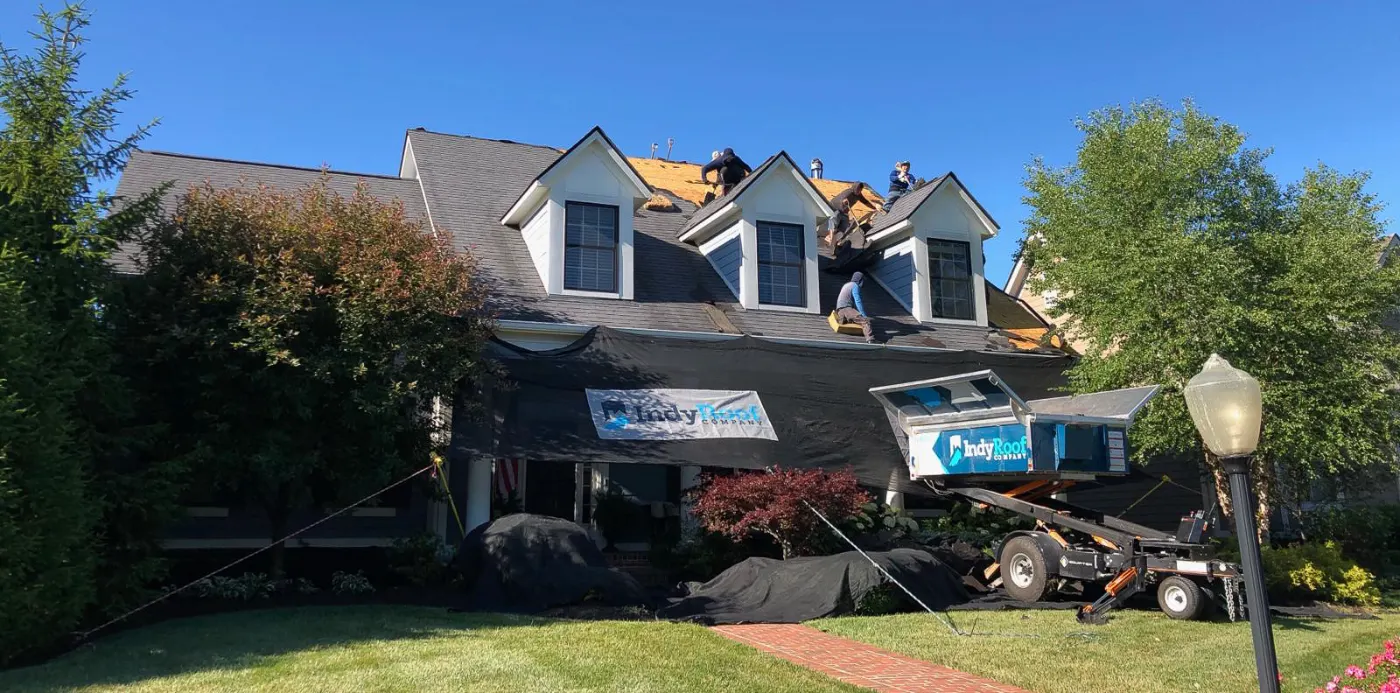
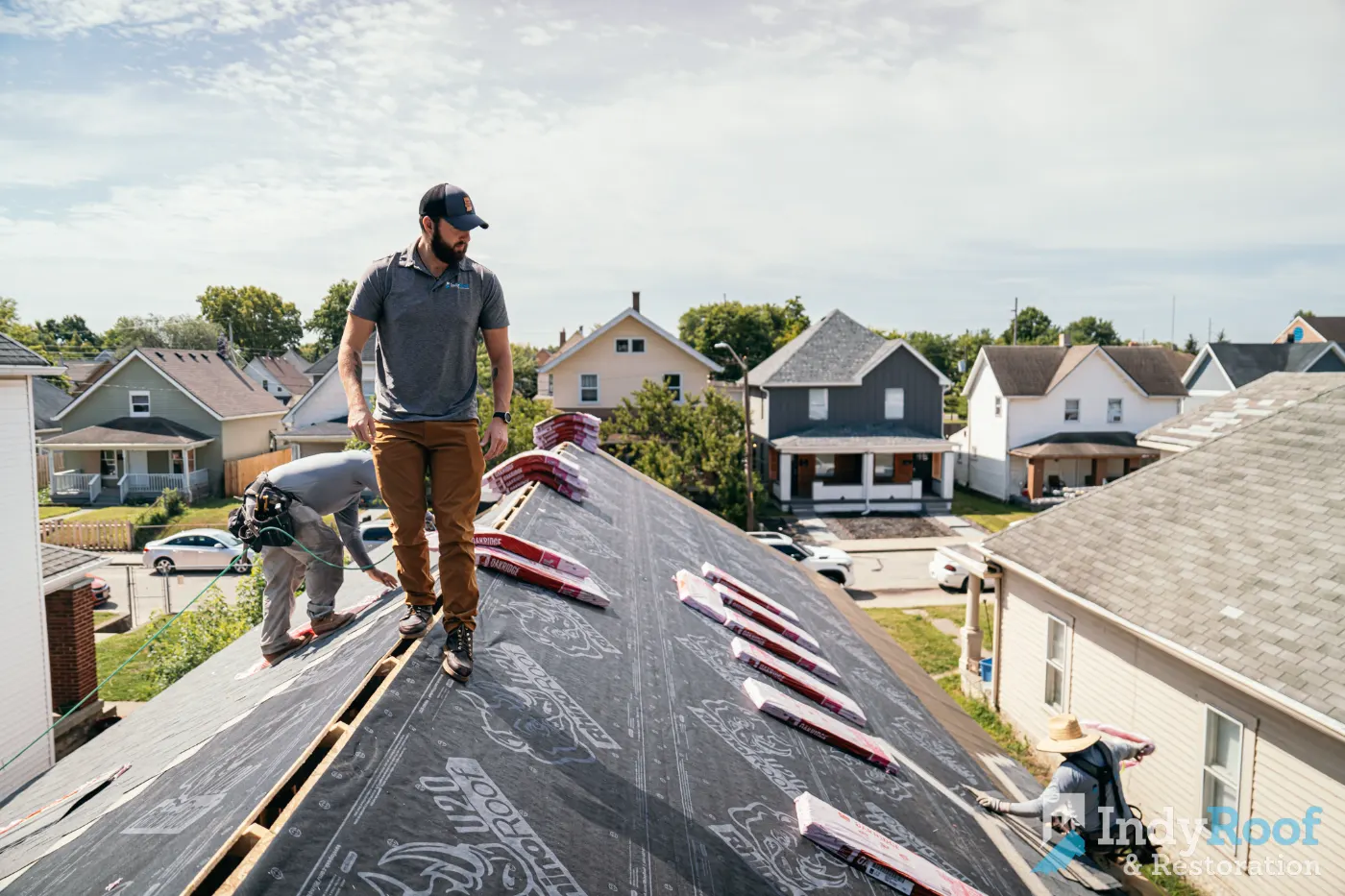
Indiana-licensed crews dispatched to Eagle Trace and the closest surrounding communities.

Roofing Systems Compared in Eagle Trace
The four residential systems we most often install are listed here, with pricing based on typical installations in Eagle Trace.
These are typical ranges in the Eagle Trace market as of 2026. Where an upper number carries a plus sign, inspection findings can push your project past that maximum. The written scope and quote cost you nothing.
Eagle Trace Roofing is powered by Indy Roof & Restoration
The name is the point: Indy Roof & Restoration puts its license, its crews, and its record behind this site. Indy Roof & Restoration has served central Indiana since 2018 and knows Eagle Trace and the neighborhoods around it street by street. A 4.9 star average across 2,307+ verified Google reviews is the record Indy Roof & Restoration brings to every job from this page.
Licensed and insured · License #RC21100059
Credentials include Owens Corning Preferred Contractor, Malarkey Certified Contractor, BBB A+ Accredited and Google Google Guaranteed. You may have seen the team on FOX59, WISH TV, and RTV6.
Expert Eagle Trace Roofing Crews Available Now
Whether a storm just rolled through, your roof is showing its age, or you are planning the replacement before it becomes urgent, Eagle Trace homeowners can start with a real look at the roof. Free inspection, written estimate, no obligation, and we document everything you need for your insurance claim.