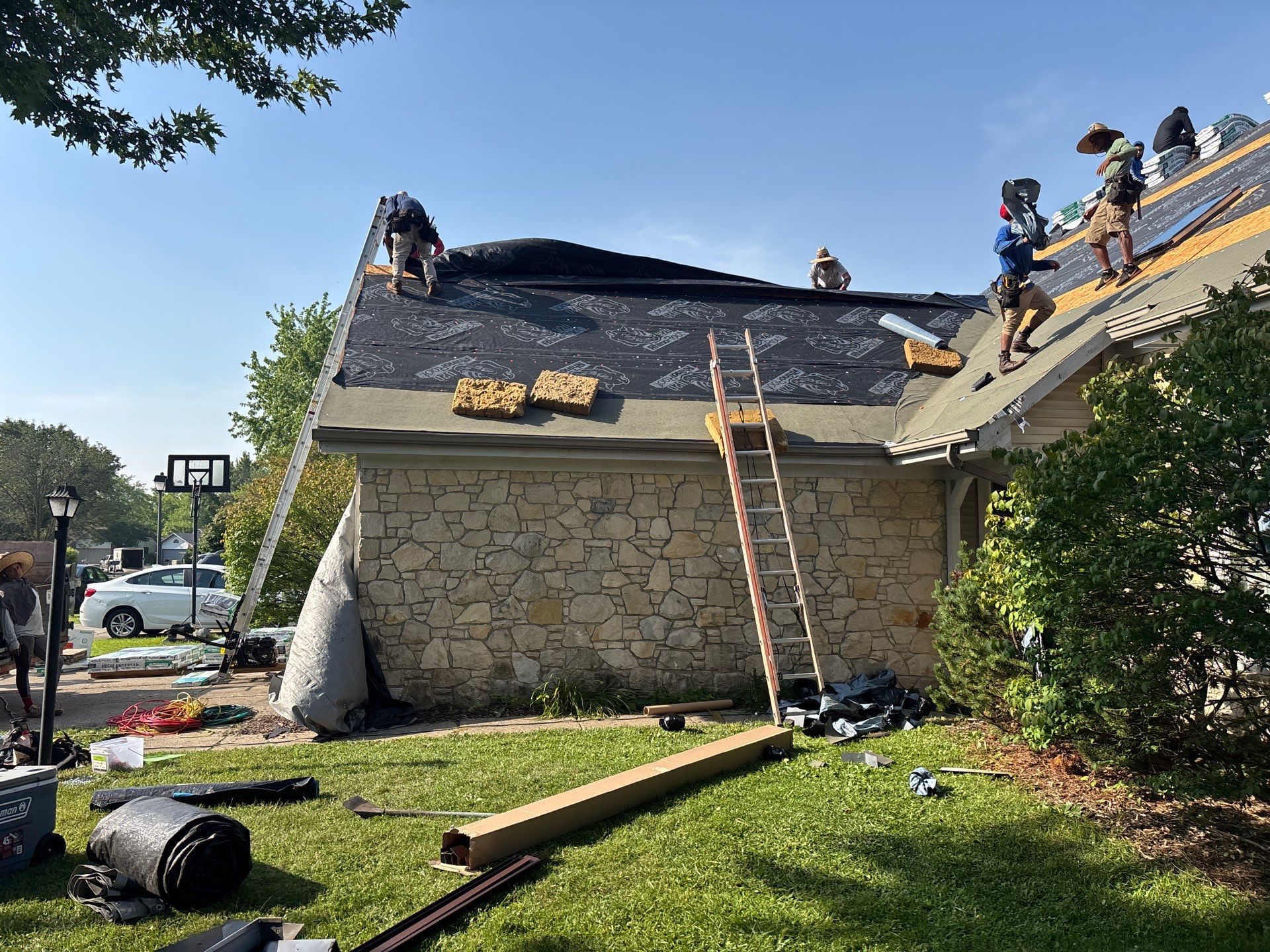
What Counts as a Green Roof
Before the list, a quick frame. A roof can be green in several ways at once.
- Energy efficient: reflects heat or insulates better
- Long lasting: fewer tear offs over the life of the home
- Recyclable: material can be reused at end of life
- Recycled content: made from reclaimed inputs
- Energy generating: produces electricity on site
The best option for your house depends on which of those matters most to you.
7 Green Roofing Options Worth Considering in Eagle Trace
1. Cool Asphalt Shingles
Standard asphalt with reflective granules. Lowers attic temps in summer without changing how the roof looks from the curb.
- Cost: roughly the same as standard architectural shingles
- Lifespan: 25 to 30 years
- Best for: budget minded homeowners who want a quiet upgrade
- Pairs well with: improved attic insulation and ridge venting
- Watch for: color choice still matters, lighter tones reflect more
This is the entry point for most Eagle Trace homes. Pair it with a real ventilation fix and you will notice a difference by July.
2. Metal Roofing
Steel or aluminum panels reflect solar heat and last decades. Most are made with significant recycled content and are fully recyclable when removed.
- Cost: 2 to 3 times the price of asphalt
- Lifespan: 40 to 70 years
- Recycled content: often 25% or more
- Energy savings: 10 to 25% on summer cooling in many homes
- Bonus: handles ice and snow loads well
If you plan to stay 15-plus years, the math gets interesting. Our metal roofing page walks through panel styles, color options, and what installation looks like on a typical Eagle Trace home.
A few extra notes worth knowing before you commit:
- Aluminum holds up better than steel in coastal or high humidity zones, less of a concern in Eagle Trace but still relevant near pools or large ponds
- Stone coated steel gives you the look of shingles or tile with metal performance underneath
- Rain noise is largely a myth on a properly decked and underlaid roof
- Hail dents are mostly cosmetic on thicker gauge panels and rarely affect the waterproof layer
3. Impact-Resistant Shingles
Class 4 shingles do not look green at first, but durability is sustainability. A roof that survives 20 years of Eagle Trace hail is one less tear off in the landfill.
- Cost: 10 to 20% over standard architectural
- Insurance: many carriers offer premium discounts
- Hail performance: tested against 2-inch steel ball impacts
- Lifespan: 30-plus years in real world conditions
Read more on the trade offs in our Class 4 impact resistant shingles breakdown.
4. Solar Shingles and Solar Panels
Two ways to put your roof to work generating power. Solar shingles integrate into the roof surface. Traditional panels mount on top of standard roofing.
- Solar shingles: cleaner look, higher cost, fewer installer options
- Roof mount panels: lower cost per watt, easier to repair underneath
- Both: federal tax credit currently 30% of system cost
- Payback: typically 8 to 14 years in Eagle Trace
- Pair with: a new roof, never an aging one
5. Synthetic Slate and Shake
Polymer or rubber tiles that mimic slate or cedar shake. Often made from recycled tires, plastics, or post industrial waste.
- Cost: roughly 2x asphalt, well below real slate
- Lifespan: 40 to 50 years
- Weight: lighter than real slate, no structural upgrade needed
- Recycled content: 60 to 95% on some product lines
6. Standing Seam with Cool Coatings
A subset of metal worth calling out. Standing seam panels with reflective factory coatings push energy performance higher and look sharp on modern or farmhouse style homes.
- Reflectivity: up to 70% of solar radiation bounced back
- Warranty: 30 to 50 year paint warranties common
- Aesthetics: clean vertical lines, hidden fasteners
7. Improved Underlayment and Ventilation
The unglamorous one. The shingles get the credit, but synthetic underlayment, ice and water shield, and proper intake to exhaust venting do half the work.
- Synthetic underlayment lasts longer than felt and uses less petroleum over the roof's life
- Balanced ventilation can drop attic temps 20 to 40 degrees in summer
- Ice dam prevention reduces winter damage and replacement frequency
If your attic runs hot, no shingle on the market will fix it alone. Our team checks ventilation on every free inspection because it changes which products we recommend.
What Green Roofing Costs in Eagle Trace
Rough installed ranges for an average 2,000 square foot roof.
- Cool asphalt shingles: $9,000 to $15,000
- Class 4 impact resistant: $11,000 to $18,000
- Synthetic slate or shake: $20,000 to $35,000
- Standing seam metal: $25,000 to $45,000
- Solar add on: $15,000 to $30,000 before tax credits
Numbers shift with pitch, layers to remove, deck repairs, and skylights. A real quote requires a real look.
Common Mistakes to Avoid
- Buying premium shingles over rotten decking
- Skipping ventilation upgrades during a replacement
- Choosing a contractor with no manufacturer certifications
- Assuming all metal roofs look like a pole barn
- Installing solar on a roof with under 10 years of life left
- Ignoring gutter capacity when switching to metal or synthetic slate
- Forgetting to document old shingle disposal for recycling credit
Green roofing only pays off when the install is right. As an Owens Corning Preferred and Malarkey Certified contractor with a BBB A+ rating, Eagle Trace Roofing installs to spec so the warranty actually holds up.
A Note on Marketing Claims
Green roofing attracts a lot of marketing, and not all of it survives scrutiny. Be cautious of any product sold mainly on a vague eco label without specifics you can check, like an actual reflectance figure, a real warranty length, or documented recycled content. The questions to ask a Eagle Trace contractor are concrete: how long will this last, how much cooler does it run, can the old roof be recycled, and what does the warranty actually cover. A genuinely green option answers those plainly. A greenwashed one changes the subject.
Seasonal Timing in Eagle Trace
When you install matters almost as much as what you install.
- Spring: high demand, longer lead times, but ideal sealing temps
- Summer: fastest installs, watch for heat related shingle scuffing on dark colors
- Fall: prime window for adhesive activation, books up fast
- Winter: possible on dry days above 40 degrees, metal handles cold installs better than asphalt
Booking 6 to 10 weeks ahead usually gets you the crew and product you actually want, not the leftovers.
How to Pick the Right Option
Walk through these questions before you call anyone.
- How long do you plan to stay in the home?
- What is your realistic budget, including labor?
- Are summer cooling bills your main pain point?
- Does your HOA restrict materials or colors?
- Is your deck and structure ready for a heavier product?
- Are you planning solar in the next 5 years?
Short stays favor cool asphalt. Long stays open the door to metal, synthetic slate, or solar. HOA rules can rule out metal in some Eagle Trace neighborhoods, so check first.
Rebates, Credits, and Insurance Discounts
Green roofing has more financial backing than most homeowners realize. Stack these where you can.
- Federal solar tax credit: 30% of total system cost through current law
- Manufacturer rebates: cool roof and Energy Star products often carry seasonal promos
- Utility incentives: some Eagle Trace providers offer rebates on attic insulation paired with a roof project
- Insurance discounts: Class 4 impact resistant shingles can trim 5 to 25% off your annual premium
- Property tax: Eagle Trace exempts residential solar from increased assessment in many cases
Ask your insurer in writing before signing. Some carriers require specific product certifications on the invoice to apply the discount.